

Are you planning your first trip to Hawaii and need a Hawaii vacation planner? Keep scrolling to read this Hawaii trip planning guide for first-timers!
This Hawaii vacation planner for people visiting Hawaii for the first time was written by Marcie Cheung (a Hawaii travel expert) and contains affiliate links which means if you purchase something from one of my affiliate links, I may earn a small commission that goes back into maintaining this blog.
So a woman called me last week, absolutely panicking.
She booked this “gorgeous” Maui condo six months ago through Airbnb. Paid the full deposit. Trip is in three weeks.
She just found out the property doesn’t have the right permits and the county shut it down.
She’s not getting her deposit back.
This is happening constantly right now, and I’m so tired of watching people get screwed over because they didn’t know Hawaii completely changed the rules in 2025.
I’ve been going to Hawaii since I was a kid. Made it there 40+ times over the years. I was a professional hula dancer for over 20 years (yes, really). I’m a Certified Hawaii Destination Expert.
My mom lives on Kauai and officiates weddings there, so I’ve got actual connections to the islands beyond just visiting.
Through my travel consultation service, I help people avoid these disasters every single week.
And the #1 mistake I see? People trying to cram multiple islands into one short trip because they’re worried they’ll never make it back.
Just last month, a couple told me their plan: fly into Oahu Thursday night, leave Saturday morning for Maui, stay until Tuesday, hop to Big Island until Thursday, fly home Friday. Seven days, three islands.
They thought it sounded efficient.
I showed them the actual breakdown: Thursday night they’d be exhausted from travel, basically useless. Saturday morning they’d pack up, return the rental car, deal with the airport, fly to Maui, pick up another rental car, check into a new place, and get oriented.
That’s half a day gone. Same thing Tuesday leaving Maui and Wednesday leaving Big Island.
They spent $1,200 just on inter-island flights, car rentals, and logistics. They saw almost nothing. By day four, they were completely burned out.
If you’ve got a week or less, pick one island. Ten to fourteen days, THEN consider two islands. Your vacation will be infinitely better, I promise.
Real ID and the Passport Question
You don’t need a passport to fly to Hawaii from anywhere in the United States. Hawaii is the 50th state. It’s domestic travel.
But as of May 2025, you DO need a REAL ID-compliant license or an acceptable alternative (passport, passport card, military ID).
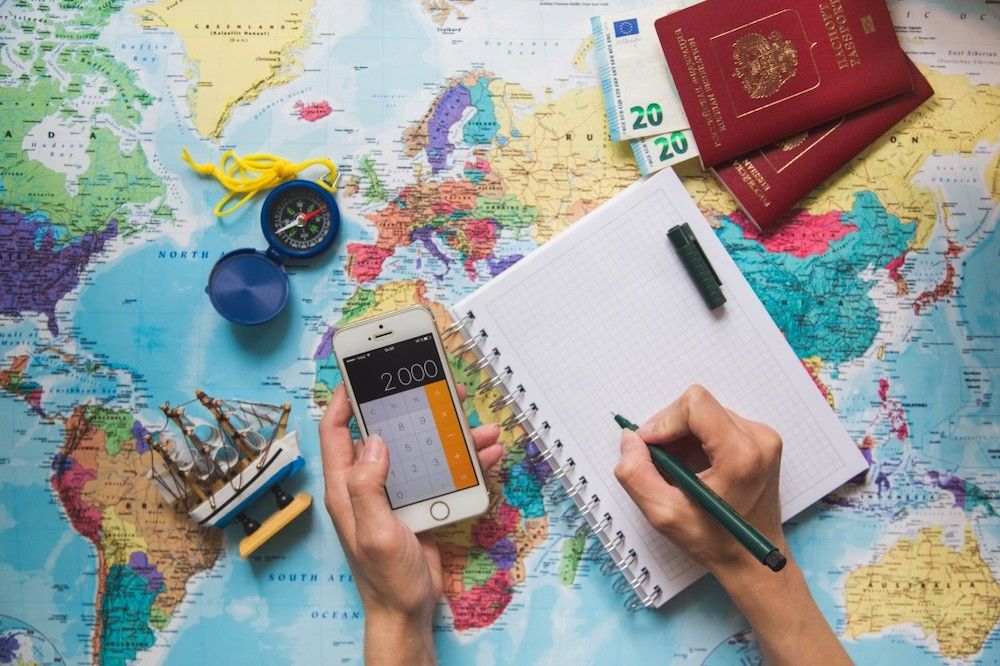
Look for a star in the upper right corner of your driver’s license. No star? You’ll need to bring your passport or get a REAL ID from your DMV before you fly.
Kids under 18 don’t need ID when they’re traveling with an adult, but I always tell people to bring a copy of birth certificates, especially if you’ve got a baby on your lap. Airlines sometimes ask for proof of age.
Coming from outside the US? You’ll need a valid passport with at least six months left before expiration.
Most countries (40 of them, including Australia, Japan, UK, most of Europe) are part of the Visa Waiver Program, which means you can visit for 90 days without a visa. You’ll just need to fill out an ESTA application online before you fly.
If your country isn’t on that list, apply for your tourist visa at least six months before your trip. Processing times are unpredictable.
Which Island Should You Actually Visit?
This is the most important decision you’ll make, and most travel blogs give you this generic “all the islands are amazing!” nonsense without actually helping you choose.
Oahu is where I send most first-timers, not because it’s the “best” island (there is no best island), but because it’s the easiest to navigate when you don’t know what you’re doing yet.
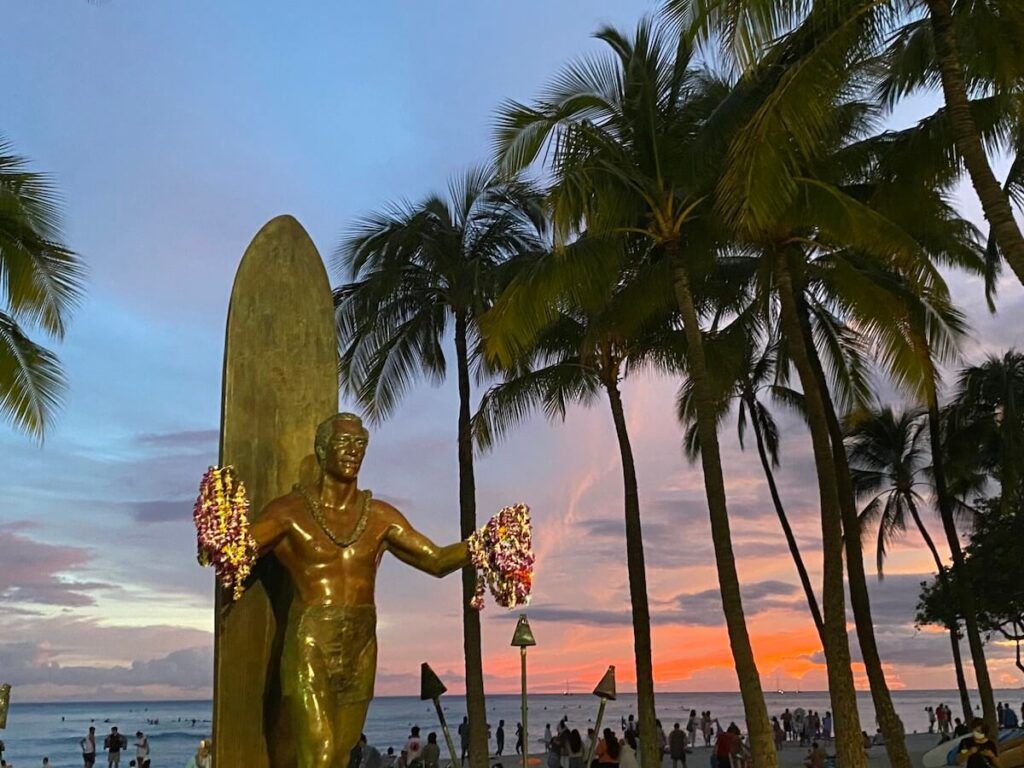
Waikiki has more restaurants within a ten-minute walk than the entire island of Kauai. You can do Pearl Harbor in the morning, drive to the North Shore for lunch at Giovanni’s shrimp truck, and watch sunset from a Waikiki beach bar. All in one day.
The food scene is legitimately incredible. There’s actual public transportation (the bus is slow, but it exists). Hotels range from $150 budget places to $800 luxury resorts.
The problems with Oahu: Waikiki gets crowded. Really crowded. H-1 traffic is genuinely as bad as Los Angeles during rush hour. Diamond Head requires reservations now (which sell out weeks ahead).
And some Waikiki beaches have kind of murky water because of all the boat traffic and development.
But for a first trip? Oahu usually makes the most sense.
Maui has this perfect vacation feeling that Oahu just can’t quite capture. More expensive, more romantic, more “I’m really on a tropical island” vibes.
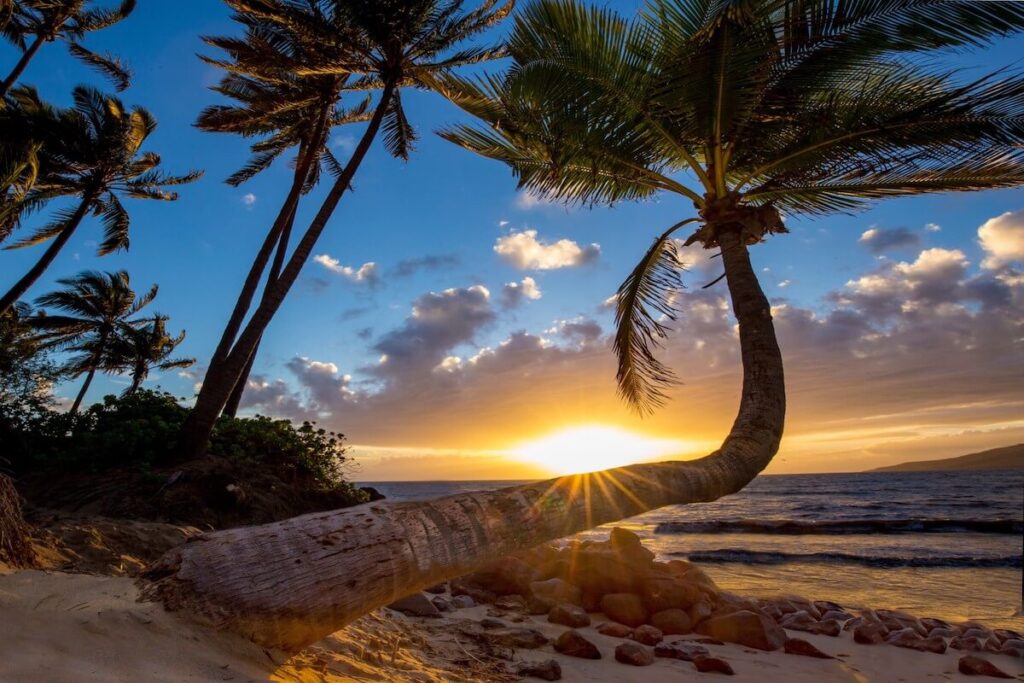
The Road to Hana is genuinely one of the most beautiful drives I’ve ever done (and I’ve done it probably 15 times). Wailea has some of the best beaches in all of Hawaii.
You can watch sunrise from 10,000 feet at Haleakala and be snorkeling at Molokini Crater by afternoon.
But. Hotels start around $250 per night for anything decent. Restaurants are expensive. The island is bigger than people expect, so you’ll spend a lot of time driving. And parts of West Maui are still recovering from the 2023 fires.
Lahaina is… it’s tough. The town that used to be this bustling, historic center is gone. It affects the whole island’s energy.
Kauai is my personal favorite, but I’m a little outdoorsy and I don’t need a ton of restaurants or nightlife.

The Kalalau Trail along the Na Pali Coast is one of those hikes that makes you cry because it’s so beautiful. Waimea Canyon actually does look like a mini Grand Canyon.
The whole island feels lush and dramatic and GREEN. It’s quieter, way less developed, genuinely laid-back.
The downside: fewer accommodation options, and they’re expensive. A few beaches like Polihale require 4WD access over rough dirt roads. The best hikes need permits that book up 30 days out. If you want shopping or nightlife, you’ll be bored. Kauai is for nature people.
Big Island is massive and diverse, which sounds great until you realize what that actually means for your vacation.
You’re spending 2-3 hours in the car every single day. You can see active lava (when the volcano is cooperating), snorkel with manta rays at night, visit coffee farms, check out black sand beaches.
The Kona side is sunny and resort-y. The Hilo side is rainy and lush with waterfalls.
My honest opinion: Big Island works better as a second or third Hawaii trip once you know what you like.
It requires more planning, more realistic expectations about driving, and more acceptance that you can’t see everything.
For first-timers: Oahu if you want easy and convenient. Maui if you want beautiful and romantic. Kauai if you’re outdoorsy and don’t need much infrastructure. Big Island if you specifically want volcanoes and don’t mind driving.
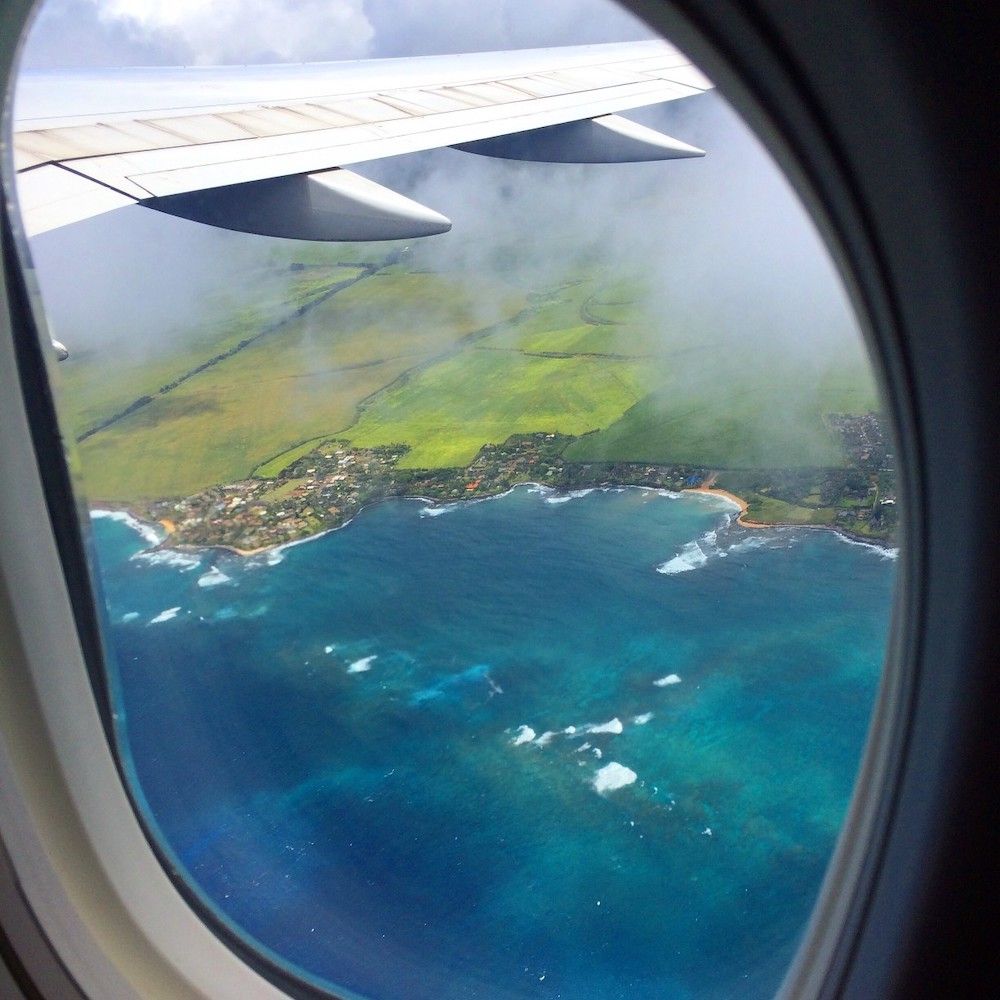
Still stuck? My island hopping guide has a whole decision matrix that walks through this based on your priorities.
Or just book a consultation and I’ll tell you exactly which island makes sense for your specific trip.
Flights: Book Early, Watch for Price Drops
Book your flights as soon as you’ve decided on dates. Peak season (summer, winter holidays, spring break) gets expensive fast, and seat selection disappears.
From the US mainland, you’ve got Hawaiian Airlines (now merged with Alaska), Southwest, United, American, and Delta. From Canada: Air Canada, WestJet, plus the US carriers. International: ANA, JAL, Korean Air, Qantas, Air New Zealand.

I use Google Flights to compare prices, then book directly through the airline. Yes, sometimes third-party sites are $20 cheaper, but when things go wrong (and they do), dealing directly with the airline is so much easier.
One thing about the Hawaiian/Alaska merger: HawaiianMiles is dead.
If you had miles saved up, that program ended. It’s all Alaska Mileage Plan now. Kind of annoying if you were loyal to Hawaiian for years, but it is what it is.
The 2026 Changes Nobody Warned You About
Hawaii changed SO much in 2025 that most people have no clue what they’re walking into.
The hotel tax went up January 1, 2026. From 10% to 11%. Doesn’t sound like much, but when you add county taxes and GET, you’re paying 18-19% on top of your room rate. A $300 hotel room actually costs $356. Budget for it.
Reservation systems for popular sites are serious. You can’t just drive up to Hanauma Bay anymore. You can’t roll into Haena State Park or Haleakala for sunrise.
Haena State Park on Kauai opens reservations 30 days out. They sell out in HOURS for good weather dates. Haleakala sunrise permits open 60 days ahead. Same deal.
Last month, a family asked for help two weeks before their Maui trip. They wanted Haleakala sunrise. Sold out. Haena for Na Pali views. Sold out. They saw neither one because nobody told them to book early.
Set an alarm for when reservations open. Book them the same week you book flights. I’m not kidding.
Beach parking fees are everywhere now. Maui’s popular beaches charge $10-20. Oahu state parks are $10 per vehicle plus $5 per person. If you’re hitting multiple beaches per day, you’re spending $50-70 just on parking.
My strategy: stay somewhere walking distance to a great beach. You’ll save money and actually USE the beach more.
Vacation rentals are a total mess. Maui banned thousands of short-term rentals. Big Island requires registration most properties don’t have.
Three different families contacted me in January because their “confirmed” rentals got canceled. The properties were operating illegally.
Before paying ANY deposit on a vacation rental, verify it through the Hawaii Tax Online system. Look for TAT and GET numbers. Takes two minutes. Could save your whole trip.
Actually, you know what? I just realized I should mention this: some of the properties that LOOK legal on Airbnb or VRBO aren’t.
The hosts fake the license numbers. So even if you see a number listed, verify it yourself through that state website. I’ve seen fake numbers at least a dozen times this year.
Hotels stopped providing small plastic toiletry bottles as of January 2026. They’ve got wall-mounted dispensers now. If you have curly hair or sensitive skin, pack your own stuff. Those bulk dispensers are usually terrible.
I know this sounds like a lot of bad news. But honestly, if you know about these changes going in, you can plan around them. It’s the people who don’t know who end up panicking and having terrible vacations.
Where to Actually Stay
Your accommodation eats up 30-40% of your budget. In 2026, this is expensive no matter what you choose.
Hotels and resorts run $200 (basic Waikiki with no view) to $800+ (oceanfront Maui resort) per night.
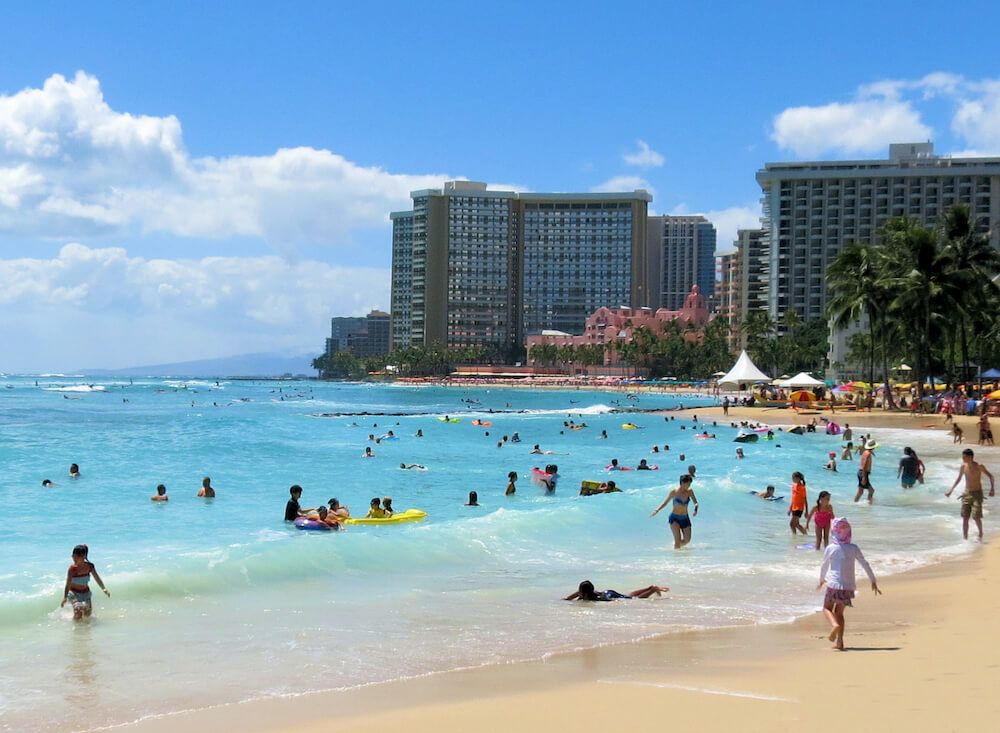
The “average” decent hotel in a good location is $300-400 per night before taxes. Which means it’s actually $356-475 per night after the 18-19% tax situation.
On Oahu, Waikiki has the most options. I’ve stayed at the Waikiki Central Hotel (moderate, good location, nothing fancy) and the Aston Waikiki Beach Tower (condos with full kitchens, great for families).
Vacation rentals save you money on food since you can cook. A 2-bedroom condo runs $200-400 per night depending on where. For families or longer stays (5+ nights), this usually makes more sense financially.
But you HAVE to verify the rental is legal. I already mentioned this, but I’m mentioning it again because it’s that important. Check the Hawaii Tax Online system for TAT and GET numbers.
My actual advice: If you have kids or you’re staying 5+ days, get a condo with a kitchen. Make breakfast at home. Pack lunches for beach days. Cook dinner a few times. You’ll save $500-1,000 on food over a week.
If it’s just two of you for 3-4 nights, a hotel makes sense for the convenience.
Don’t cheap out on location to save $50 per night.
I’ve watched so many people book places 45 minutes from everything because it was $75 cheaper. Then they spend $200 extra on Uber rides and rental car gas, plus waste 2 hours per day driving. Pay more for a good location.
My island guides have specific property recommendations with 2026 pricing and availability:
Rental Cars and the Booking Game
Whether you need a car depends on your island and plans.
On Oahu: if you’re staying in Waikiki and mostly doing Honolulu stuff, skip the car. Uber/Lyft work. Parking in Waikiki costs $30-50 per night at hotels. But if you want North Shore or Kailua Beach or hiking, you need a car.
My usual move: skip the car for 2-3 days in Waikiki, then rent for the rest of the trip.

On Maui, Kauai, Big Island: you absolutely need a car. These islands are too spread out.
Rental cars in 2026 run $50-120 per day for a standard car, $80-150 for SUVs or Jeeps. I just checked March prices on Maui: economy cars ranged from $63-98 per day depending on company.
My booking strategy (saved me over $300 last year):
- Book your car the day you book flights through Discount Hawaii Car Rental
- Check prices again 6 weeks before your trip
- Check weekly after that
- If prices drop, cancel and rebook
- Check one more time 2-3 days before pickup
Last year on Maui, I rebooked four times. Ended up paying $67/day instead of $112/day. Twenty minutes of work saved me $315.
Costco Travel also has good rates if you’re a member.
Rental car tips nobody tells you:
- Take photos/video of EVERY INCH of the car before leaving the lot. Every scratch, every ding, the tires, the windshield, everything. People get hit with bogus damage charges constantly.
- Fill up the gas tank before returning or they charge $7-8 per gallon
- Airport locations are easiest and usually cheapest
- Sign up for the company’s loyalty program (free, lets you skip lines)
- Young drivers (21-24) pay $25-35 extra per day
- You CANNOT take a rental car between islands
Gas in Hawaii: $4.50-5.50 per gallon in 2026.
Insurance: if you have comprehensive car insurance at home, it probably covers rentals. Check before you go.
Otherwise, rental company insurance is $15-30 per day extra. Some credit cards offer coverage too (premium Visa/Mastercard, Amex).
What to Actually Book (and When)
This is where planning makes the difference between a great vacation and constantly scrambling.
Book 60+ days before your trip:
- Luaus at popular venues (Old Lahaina Luau on Maui, Toa Luau on Oahu) – they sell out 2-3 months out
- Haleakala sunrise permits (Maui)
- Haena State Park entry (Kauai)
- Molokini Crater snorkel tours (Maui)
Book 30 days before:
- Helicopter tours
- Pearl Harbor tickets (free but limited)
- Kalalau Trail permits (Kauai)
- Nice catamaran tours
Book 1-2 weeks before:
- Most snorkel tours
- Zipline
- ATV tours
- Surf lessons
Can book last-minute:
- Beach days
- Most hiking trails
- Scenic drives
- Casual restaurants
My island guides have day-by-day itineraries with realistic timing so you’re not trying to cram 8 hours of stuff into a 4-hour window. They’re in the links above.
For booking tours, I use GetYourGuide and Viator – easy to compare and read recent reviews.
If you’re overwhelmed figuring out what to book when, that’s exactly what my consultations are for.
I create custom itineraries based on your dates, interests, and budget. I tell you exactly what to book and when.
Also, check out my podcast Hawaii Travel Made Easy where I break down specific topics like best beaches for families, budget tips, and how to avoid tourist traps.
One more thing: book a photo shoot with Flytographer (save $20 with that link).
Professional photos from your Hawaii vacation are worth every penny. You’ll actually be IN the photos instead of always behind the camera.
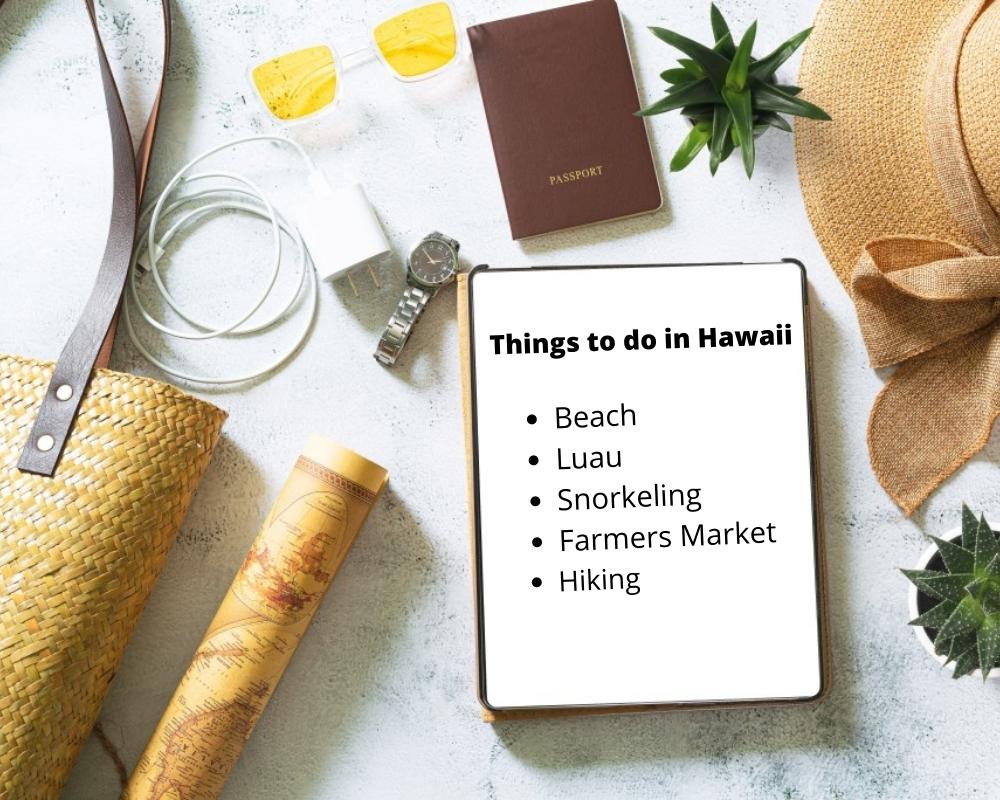
What a Hawaii Vacation Actually Costs
Most blogs lowball this and then people are shocked when their trip costs way more. So I’m giving you real numbers.
Per person for one week (moderate budget):
- Roundtrip flights: $400-1,000 (depends on your city)
- Accommodation: $175-250 per night, split between two people ($1,225-1,750 for the week)
- Rental car: $70/day after insurance and taxes ($490 for 7 days)
- Food: $80-120 per day ($560-840 total)
- Breakfast at your condo: $10
- Lunch: $20-30
- Dinner: $40-70
- Snacks/drinks: $10-20
- Activities: $400-700
- One luau: $130-180
- One snorkel tour: $80-150
- One paid attraction: $30-50
- Parking/entry fees: $100-200
- Souvenirs: $200-400
TOTAL PER PERSON: $3,450-5,000+ for one week
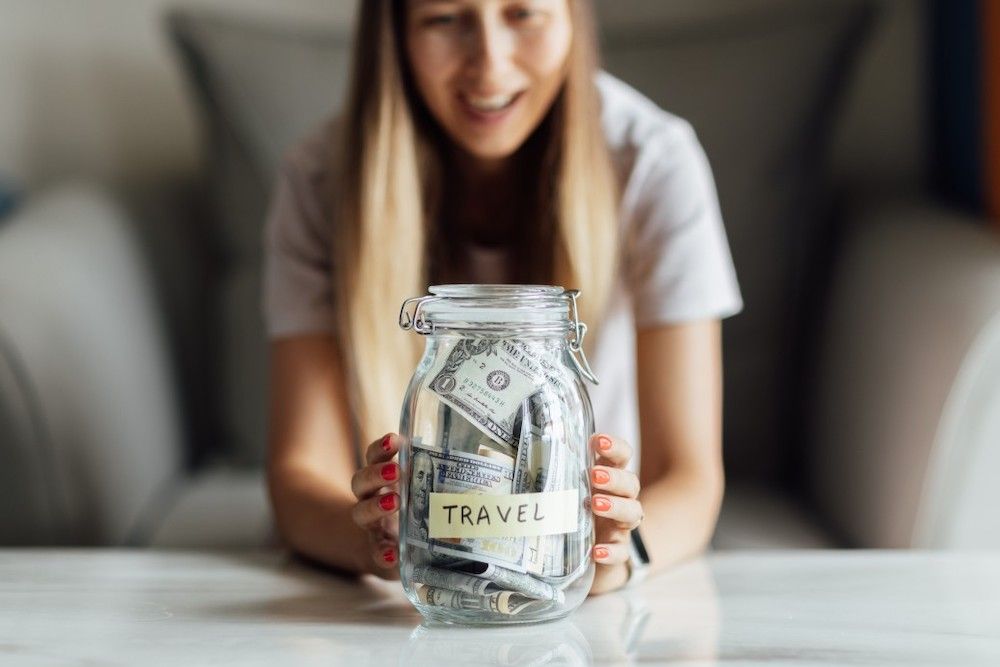
That’s moderate. Luxury resort vacations easily hit $7,000-10,000 per person.
Want to save money? Travel April-May or September-October (shoulder season). Get a condo and cook one meal per day. Do free beaches and hikes. Eat lunch at food trucks instead of sit-down restaurants.
Book flights on Tuesday/Wednesday when prices are typically lower.
But don’t cheap out on location. And don’t skip one or two really memorable activities. That’s what you’ll remember.
Hawaii is expensive. It just is. But it’s worth it if you plan right.
Packing (The Stuff People Forget)
Obviously bring swimsuits, reef-safe sunscreen (it’s the law), comfortable clothes.
But people always forget:
- Water shoes (rocky beaches make these essential)
- Light rain jacket (you’ll hit rain even in summer)
- Hiking sandals or shoes
- Waterproof phone case or dry bag
- Reusable water bottle
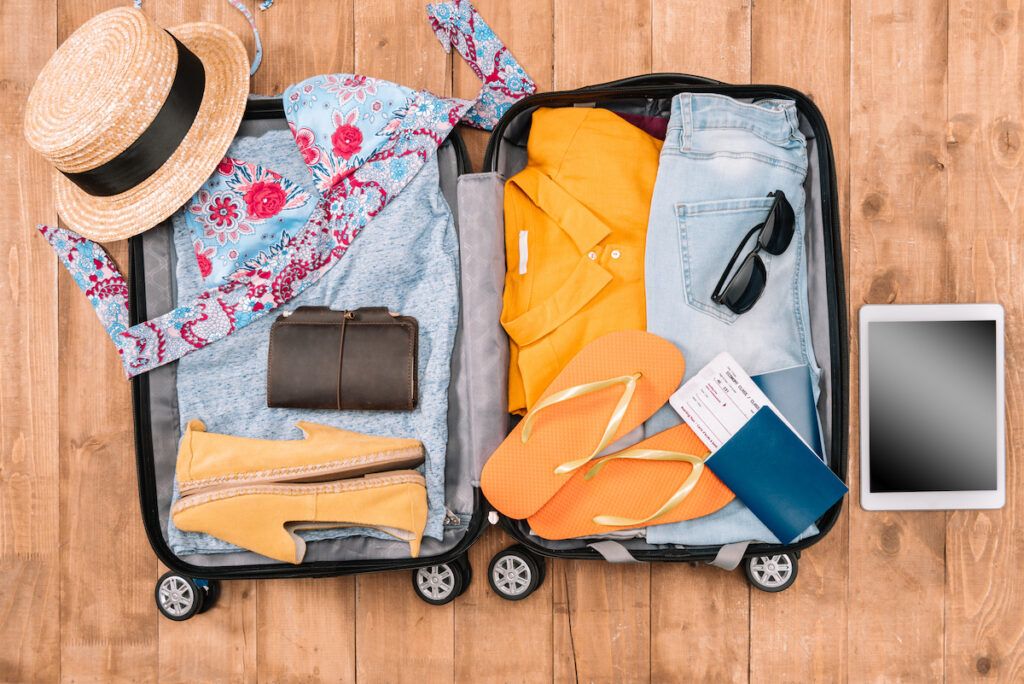
Pack light. You’ll buy souvenirs. You don’t want overweight bag fees. Most places have laundry.
Hotels no longer provide small toiletry bottles as of January 2026. They have wall dispensers. If you prefer your own shampoo, pack it.
The Cultural Part That Actually Matters
Hawaii has a rich indigenous culture and complicated history. The more you understand it, the more meaningful your trip becomes.
Learn basic Hawaiian words: Aloha (hello/goodbye/love), mahalo (thank you), keiki (children), kokua (help).
Respect sacred sites. Don’t take lava rocks or sand or coral. Support local businesses when you can.
The spirit of aloha is about respect for the land and the people who live there.
Final Thoughts
Planning a Hawaii vacation takes more work in 2026 than it did a few years ago. You can’t just wing it anymore.
But if you do the upfront planning, your actual vacation will be smooth. You won’t waste time in lines or scrambling for activities.
If this feels like too much, book a consultation. I help families plan their first Hawaii trips all the time, and I’ve probably already answered whatever you’re stressing about.

Hawaii is still worth it in 2026. Yes, it’s different than five or ten years ago. But it’s still one of the most beautiful places on earth.
Start planning. Stay flexible. Get ready for an amazing trip.
My comprehensive island guides include 7-day itineraries, daily schedules, activity recommendations, and all the insider tips you need:
- Hawaii Island Hopping Guide
- Oahu Travel Guide
- Maui Travel Guide
- Kauai Travel Guide
- Big Island Travel Guide
Want more Hawaii travel resources? Find out the best area to stay on Oahu, how many days in Maui do you need, and the best Hawaiian island for honeymoons!
 | About the author: Marcie Cheung is a Hawaii travel expert who has visited Hawaii more than 40 times. She is the founder of Hawaii Travel Spot and host of Hawaii Travel Made Easy. She plans Hawaii vacations for couples, honeymooners, families, and other travelers. |