
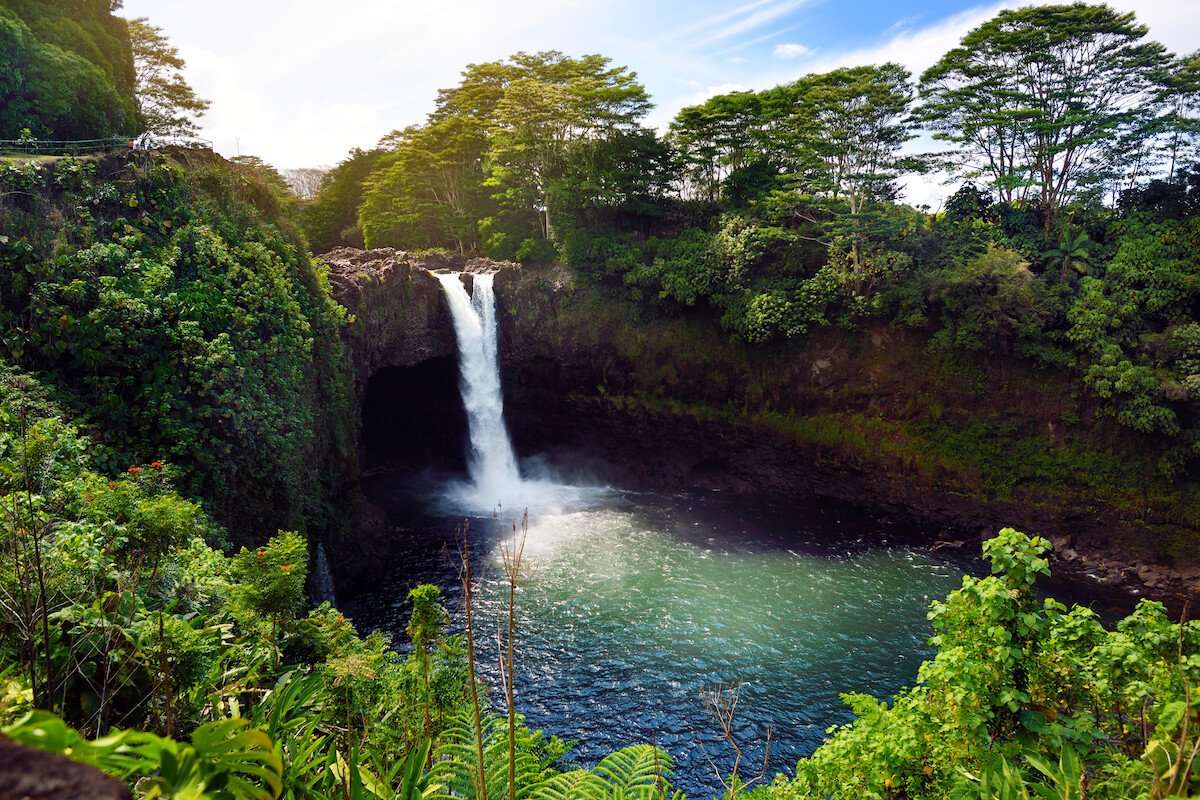
Are you planning a trip to the Big Island of Hawaii and want to know which waterfalls are worth visiting? Check out these beautiful Big Island Hawaii waterfalls worth a stop!
This list of Big Island Hawaii waterfalls was written by Marcie Cheung (a Hawaii travel expert) and contains affiliate links which means if you purchase something from one of my affiliate links, I may earn a small commission that goes back into maintaining this blog.
I cried the first time I saw Hi’ilawe Falls.
Not full-on sobbing, but tears? Yeah. I’ve been dancing hula to the song “Hi’ilawe” since I was a teenager, and seeing that waterfall in person after 20+ years hit me harder than I expected.
My husband didn’t get it at first, but when I explained the connection, he understood why I just stood there for a minute getting emotional.
That’s the thing about Big Island waterfalls. Some of them will surprise you. Others will disappoint you. And a few will make you wonder why you drove an hour out of your way.
After visiting Hawaii 40+ times and exploring practically every accessible waterfall on the Big Island, I’ve figured out which ones actually deliver.
Here’s what you need to know before you go waterfall hunting in 2026.
What Travelers Get Wrong About Big Island Waterfalls
First, let’s clear something up: the Big Island isn’t Kauai or even Maui when it comes to waterfalls.
You’re not going to stumble across dramatic cascades around every corner.
The Big Island’s waterfalls are clustered mostly around Hilo and the Hamakua Coast, which means if you’re staying in Kona or Waikoloa, you’re looking at serious drive time.
I had a consultation client last month who wanted to “quickly see a waterfall” on their way from Kona to Volcanoes National Park.
When I mapped it out for her, she realized Rainbow Falls would add 90+ minutes to an already long day. She skipped it and was glad she did.
The other thing people get wrong? Thinking all waterfalls are created equal. They’re not.
Some require paid admission as of 2026, some involve sketchy hikes, and others are literally visible from your car.
Let me break down which waterfalls are actually worth your time based on extensive Hawaii travel experience.
Rainbow Falls: The One I Keep Coming Back To
Rainbow Falls is my go-to recommendation for anyone who wants a waterfall experience without the commitment.
I’ve been to Rainbow Falls maybe a dozen times at this point. Sometimes it’s been spectacular. Sometimes it’s been underwhelming. The difference always comes down to timing and recent rainfall.
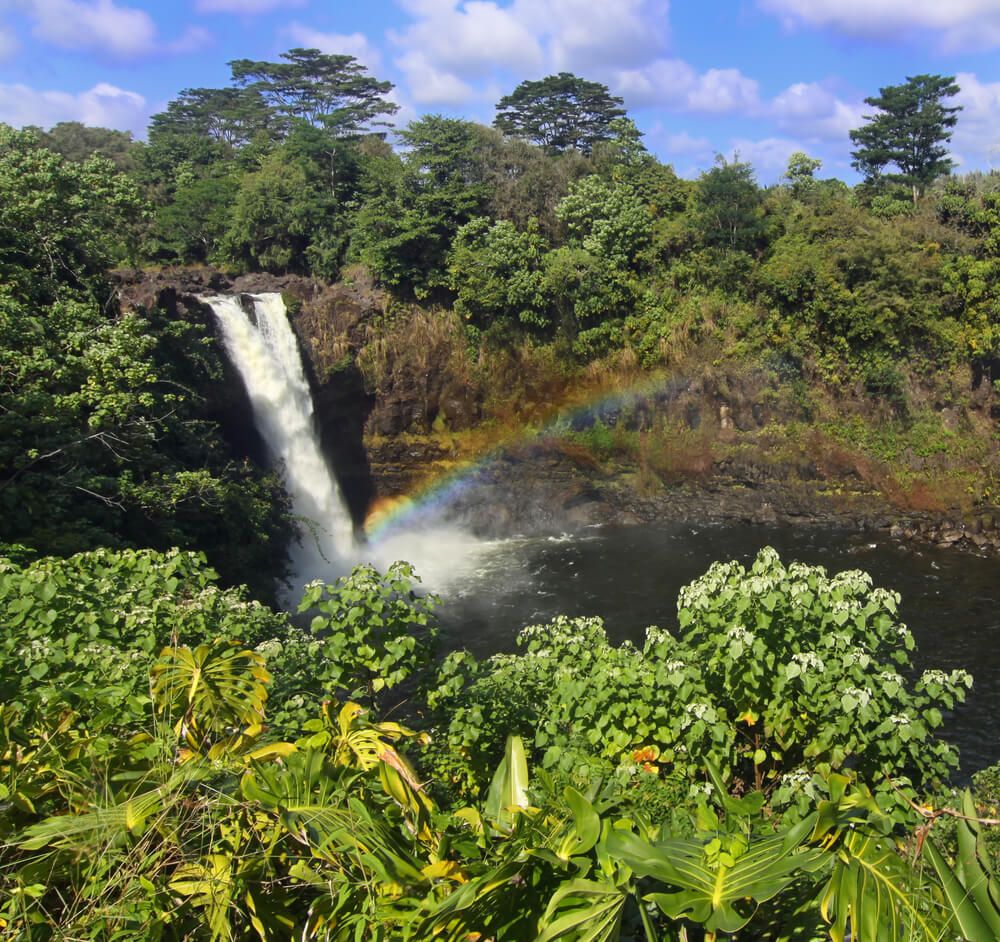
The last time I visited was right after a massive storm system moved through Hilo. The amount of water gushing over that 80-foot drop was insane.
I could feel the mist from the viewing platform, and the roar was loud enough that I had to raise my voice to talk to my family.
But I’ve also been there during dry periods when it was reduced to a modest trickle. Still pretty, but not the dramatic cascade you see in photos.
What’s new in 2026: Rainbow Falls now charges admission. As of January 2026, non-residents pay $5 per person plus $10 parking. That works out to about $20-25 total for a couple once you factor in taxes. Hawaii residents get in free with valid ID.
Payment is handled on-site via QR code, which was actually pretty smooth when I tested it in January. No cash needed.
Your Rainbow Falls ticket also covers Boiling Pots (another section of Wailuku River State Park), though honestly, I’d skip those unless you’re really into geology.
The “boiling” effect only happens with heavy water flow, and the area has been closed periodically for safety concerns.

The rainbow situation: You want to see the actual rainbow? Get there between 7-9am on a sunny morning.
The angle of the sun hitting the mist creates that rainbow effect the falls are named for. By 11am, the sun is too high and the rainbow shifts or disappears.
Don’t make my mistake of showing up at noon thinking “close enough.” No rainbow, harsh lighting for photos, and the parking lot was packed with tour buses.
The secret upper trail: Most people take their photo from the main viewing platform and leave.
Walk up the short trail on the left side of the falls for a completely different perspective from the top. You’ll pass these massive banyan trees that look like something out of a fairy tale, all draped in moss and aerial roots.
The top viewpoint shows you how much water is actually coming down the Wailuku River before it drops over the edge. It takes maybe 10 extra minutes and 90% of visitors don’t bother.
Swimming is strictly prohibited. I’ve seen people try, and rangers will cite you.
Parking reality check: The lot fits maybe 15-20 cars. On weekday mornings it’s usually fine. Weekends between 10am-2pm? Forget it. I’ve seen people waiting 15-20 minutes for a spot.
Getting there: From downtown Hilo, take Waianuenue Avenue west for about a mile, turn right on Rainbow Drive, follow signs. Five minutes from central Hilo.
Worth it if: You’re anywhere near Hilo and want a quick waterfall stop. Even with the new fee, it’s still one of the easiest waterfalls to access on the Big Island.
Skip it if: You’re staying on the Kona side and trying to cram this into an already packed itinerary. That’s 2+ hours of driving round-trip from Kona for a 20-minute stop. Your time is better spent elsewhere.
‘Akaka Falls: My Personal Favorite (Despite the Fee)
‘Akaka Falls is the waterfall I tell first-time Big Island visitors they absolutely cannot miss.
Not because it’s the tallest (though at 442 feet it’s impressive). Not because it’s the most dramatic. But because the entire experience feels worth the effort without actually requiring much effort at all.
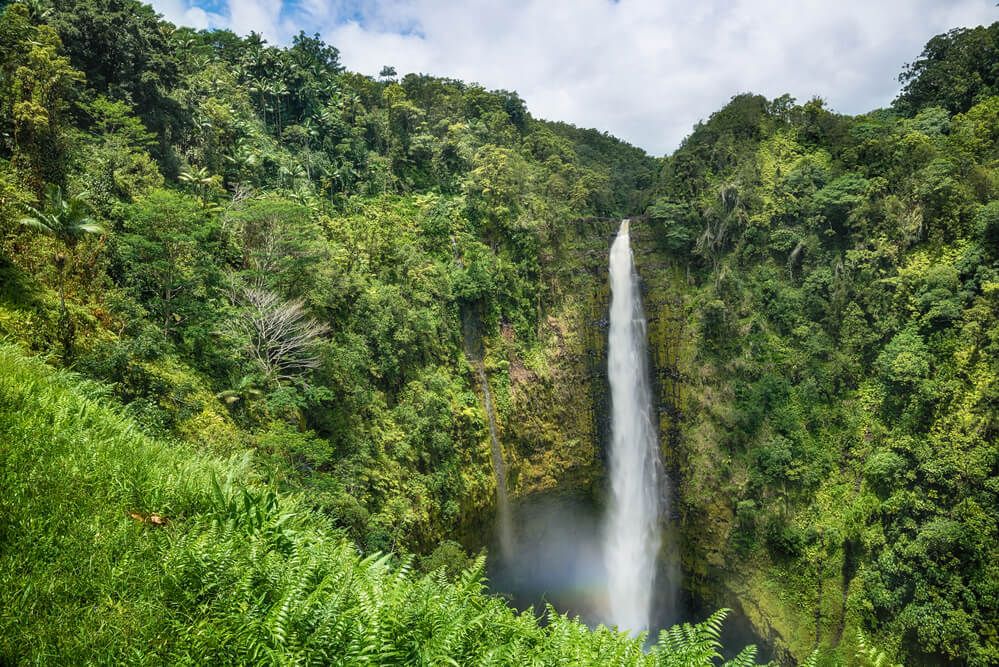
The 0.4-mile loop trail through the rainforest is legitimately beautiful. Wild orchids growing on trees, bamboo groves, ferns everywhere, the works.
And somehow, even though this is a popular state park, it never feels as mobbed as some Oahu or Maui hikes.
I’ve been to ‘Akaka Falls three times now. The first time was with just my husband, mid-morning on a Wednesday. We maybe passed 10 other people on the entire loop.
The second time was with my kids on a Saturday around 11am, and yeah, it was busier. Tour groups, selfie sticks, the whole deal. Still manageable.
The third time, I went right at 8:30am opening and practically had the place to myself for the first 20 minutes. That’s the visit I remember most.
2026 admission fees: Same structure as Rainbow Falls. $5 per person, $10 parking for non-residents. Hawaii residents free with ID. Credit cards only, no cash.
Here’s the thing that annoyed me: the park encourages you to pay before arrival because cell reception is spotty once you get there.
But their payment system isn’t the most intuitive if you’re trying to do it from your phone while driving. Give yourself a few extra minutes to sort it out.
Park hours are 8:30am-5pm daily.
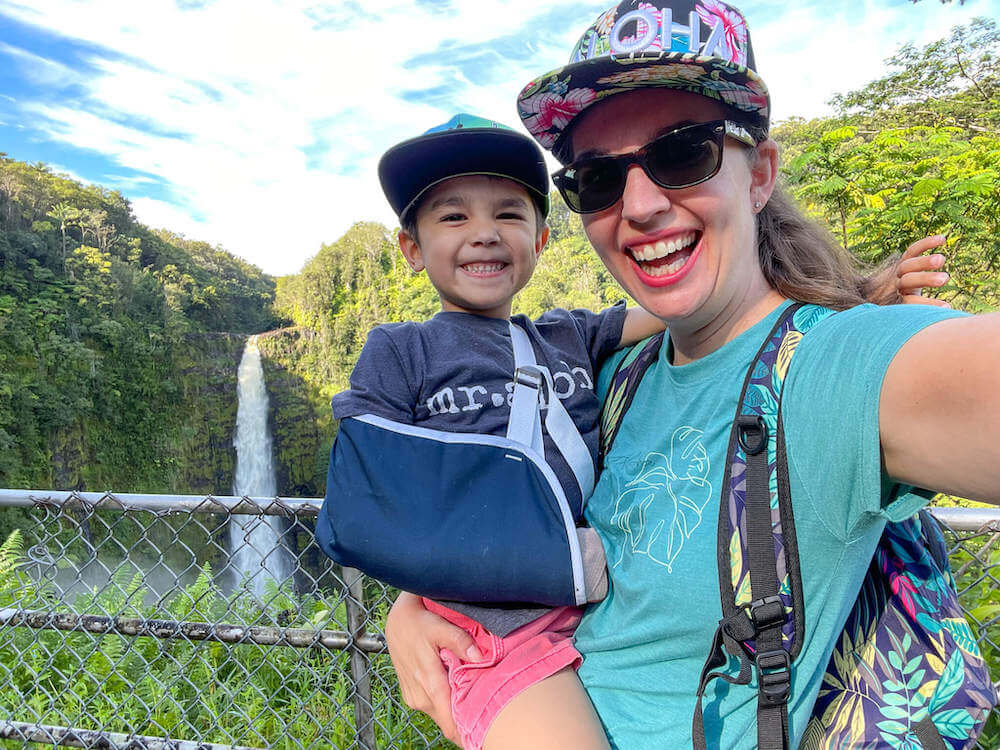
The route everyone gets wrong: When you start the loop trail, most people instinctively go left. The park actually recommends going right, and I agree with them.
If you go right (clockwise), you see the smaller Kahuna Falls first. It’s about 100 feet tall but mostly hidden by vegetation, and honestly it’s pretty forgettable.
But THEN you build up to ‘Akaka Falls, which makes the payoff better.
If you go left, you get to ‘Akaka Falls immediately, and then the rest of the loop feels like a letdown.
The whole loop takes 30-45 minutes depending on how many photos you stop for. There are some steps (not wheelchair accessible), but nothing strenuous.
What the photos don’t show you: ‘Akaka Falls drops into this massive gorge that’s been carved out over thousands of years.
The photos make it look flat, but standing there in person, you get this sense of scale that doesn’t translate to camera.
Also, the volume of the falls changes daily. After heavy rain, it’s a thick curtain of water. During dry spells, it splits into several thinner streams. Both are beautiful, just different.
Tour bus timing: Most tour buses hit ‘Akaka Falls between 10am-1pm. If you want to avoid crowds, get there right at opening (8:30am) or after 3pm.
I tested this theory last year by visiting at 4pm on a Thursday. There were maybe 5 cars in the parking lot. Perfect.
Worth it if: You want the quintessential Big Island waterfall experience without a difficult hike. This is the one waterfall where I think the admission fee is justified.
Skip it if: You’re really strapped for time and can only choose between ‘Akaka Falls and Rainbow Falls. In that case, Rainbow Falls is faster and closer to Hilo.
For my complete Big Island itinerary with daily schedules and all my insider tips, check out my Big Island Travel Guide.
Hi’ilawe Falls: The Waterfall That Made This Hula Dancer Cry
I need to explain the hula connection because otherwise this is going to sound ridiculous.
“Hi’ilawe” is one of the most beautiful Hawaiian songs ever written. It’s a love song set in Waipio Valley, and the waterfall is mentioned in the lyrics.
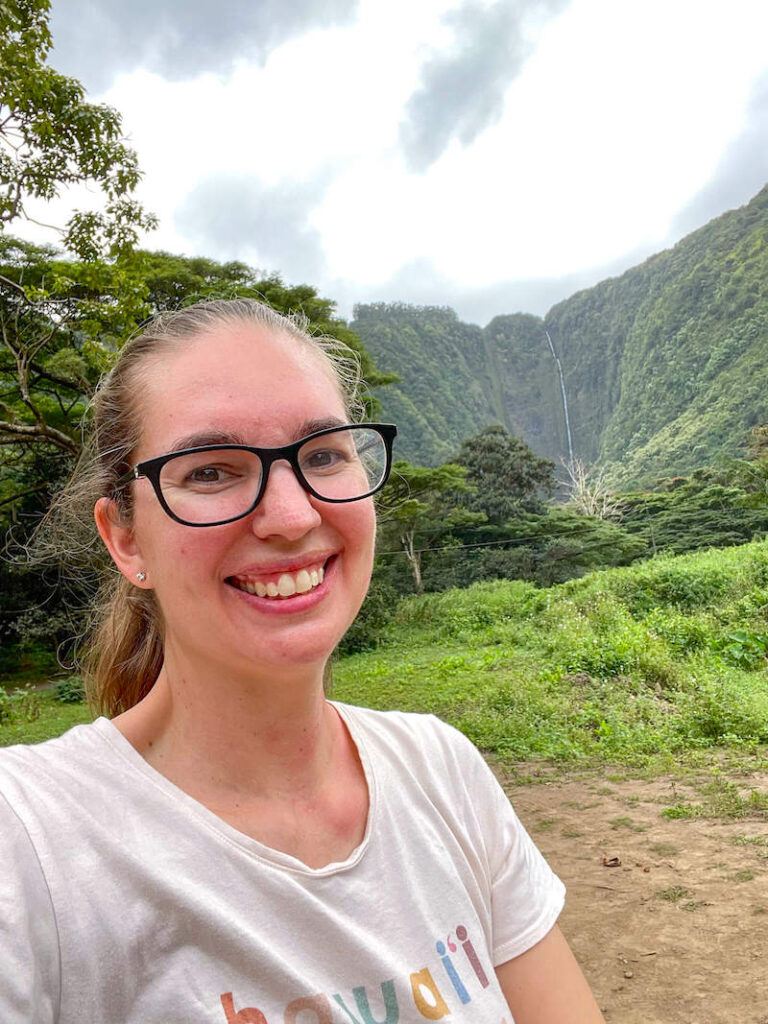
I learned this song when I was maybe 14 or 15, and I’ve performed it hundreds of times over the past 20+ years as a professional hula dancer.
So when I finally saw Hi’ilawe Falls in person on my last trip to Waipio Valley? Yeah, I got emotional. It was in the distance, not up close, but it didn’t matter. The waterfall I’d been singing about for two decades was right there.
Hi’ilawe is one of the tallest waterfalls in Hawaii at 1,450 feet total (with the main drop being 1,201 feet). You can only see it from inside Waipio Valley or from a helicopter.
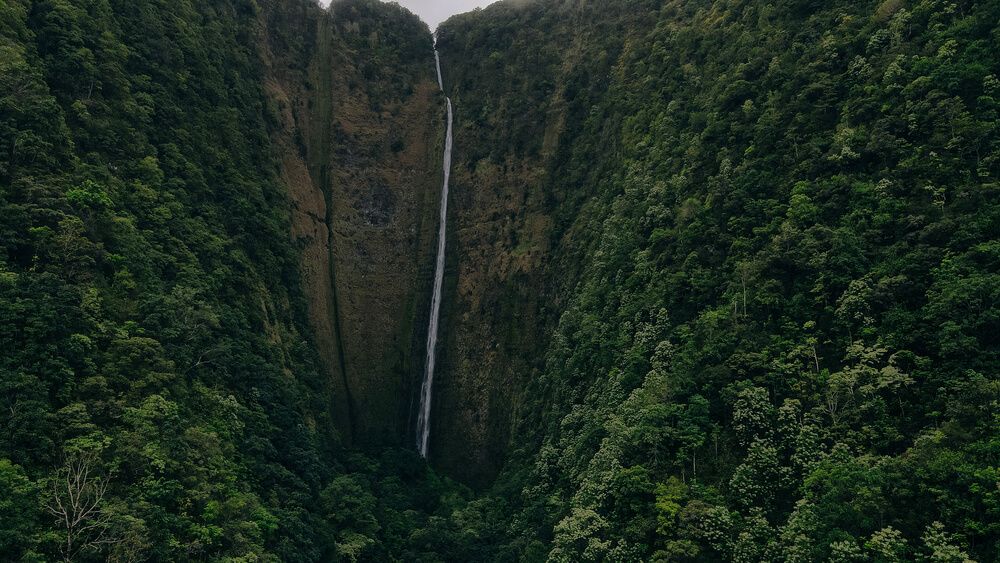
Critical 2026 update: Tourists cannot drive into Waipio Valley anymore. The road has been closed to non-residents due to safety concerns and to protect the valley from over-tourism.
The ONLY way down to the valley floor is booking the Waipio Valley Shuttle.
How the shuttle works: Tours run Monday-Saturday at 9am, 11am, 1pm, and 3pm from Waipio Valley Artworks.
The 90-minute tour costs around $75-95 per person depending on when you book (book online for best rates).
The shuttle is a 4×4 van with the windows removed. You’re descending one of the steepest roads in the state (25% grade), and the ride is bumpy.
If you have back, neck, or pregnancy issues, this is not the tour for you. They make you sign a waiver.
Your driver is a local who actually lives in or has family connections to the valley. That matters. This isn’t just a scenic tour; it’s a cultural experience.
You’re learning why Waipio Valley is sacred, hearing stories about the families who still live there, understanding why it’s called the Valley of Kings.
The tour makes several stops but doesn’t go all the way to Hi’ilawe Falls. You see it in the distance from the valley floor. For some people, that’s disappointing. For me, it was enough.
What I wish I’d known: Plan for a half-day commitment.
The shuttle tour itself is 90 minutes, but you need to factor in drive time from wherever you’re staying (it’s about an hour from Kona, 45 minutes from Hilo), plus waiting time if you need to check in early.
Also, bring water and use the bathroom before the tour. There are no facilities in the valley.
The free alternative: You can visit the Waipio Valley Overlook for free without taking the shuttle. The viewpoint is stunning and you get a bird’s-eye view of the entire valley, the black sand beach, and ocean.
You won’t see Hi’ilawe Falls from the overlook (it’s set back in the valley), but it’s still worth the stop.
Parking at the overlook is limited and fills up by mid-morning. Get there before 9am if possible.
Worth it if: You want to experience one of Hawaii’s most sacred valleys with proper cultural context, and you’re okay with seeing Hi’ilawe Falls from a distance rather than up close.
Skip it if: You just want a quick waterfall photo. This is a time and money commitment, and you don’t actually get close to the waterfall.
Onomea Falls: Beautiful, But You’re Paying for the Whole Garden
I took my kids to see Onomea Falls on my first Big Island trip with them, and it was definitely a highlight of the Hawaii Tropical Botanical Garden.
But I need to be honest about what you’re actually getting here.
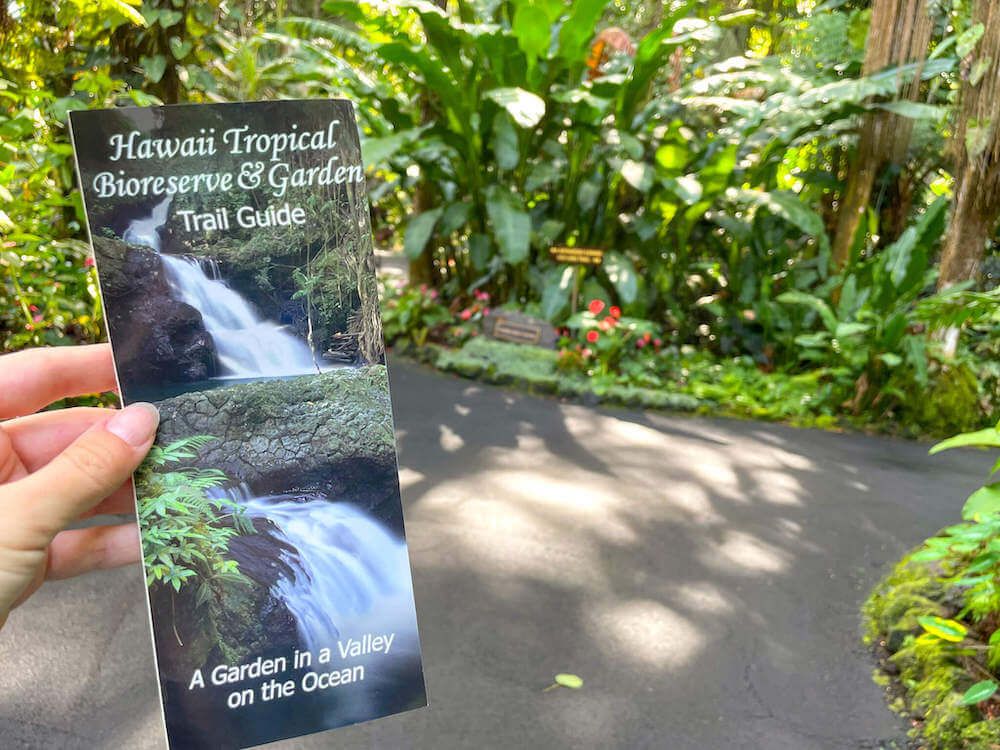
Onomea Falls is tucked inside a 20-acre botanical garden that charges $30-35 per adult.
The waterfall is not the main attraction. The 2,000+ species of tropical plants are the main attraction. The waterfall is a bonus.
If you love botanical gardens and can spend 90+ minutes wandering through sections of orchids, heliconias, palms, and bromeliads, you’ll have a great time.
My kids were honestly more interested in spotting geckos and listening to the wild chickens than looking at plants, but I enjoyed it.
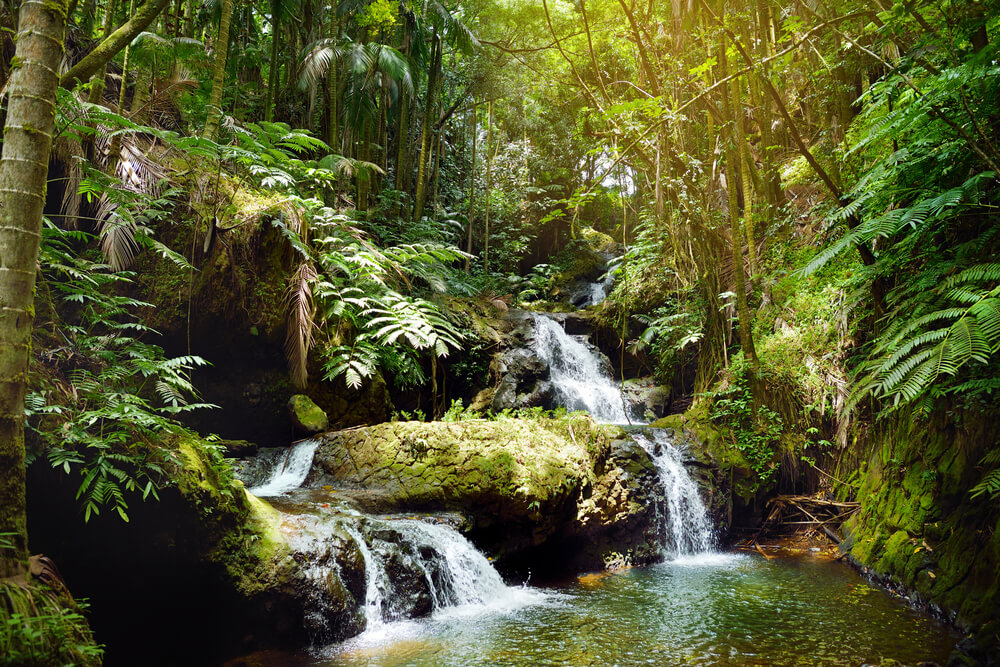
Onomea Falls itself is a multi-tiered cascade set among ferns and moss-covered rocks. It’s very Instagram-worthy if that’s your thing. There’s a small bridge in front of the falls that makes for good photos.
The climb nobody warns you about: The entrance boardwalk drops about 500 feet into the valley. That’s a LOT of elevation change. And yes, you have to walk back up at the end.
By the time we got back to the entrance, I was breathing hard and my kids were complaining.
The garden does offer a golf cart ride back up for $10 per person, but they should probably advertise that option more prominently.
Accessibility issues: The garden does not allow wheelchairs, walkers, scooters, or crutches on the trails due to steep terrain. Walking sticks and canes only.
I personally saw a family get turned away because their grandmother used a walker. They were not happy, and honestly, I felt bad for them. This should be clearly stated on the website before people pay admission.
The drought situation: During my visit in January 2026, the Hamakua District was still recovering from drought conditions.
A visitor who went two weeks before me said Onomea Falls was completely dry. When I went, it was flowing but not at full strength.
Check recent Tripadvisor reviews before paying $30+ per person to make sure the waterfall is actually flowing.
Hours and details: Open daily 10am-6pm, last entry 5pm. Located about 8 miles north of Hilo on Old Mamalahoa Highway.
Worth it if: You’re genuinely interested in tropical plants and want to spend a couple hours in a beautiful botanical setting. The garden is impressive if that’s your thing.
Skip it if: You’re just waterfall hunting and not particularly into plants. $30+ per person is steep for a waterfall you’ll see for maybe 5 minutes before moving on.
The Waterfalls You Can Skip (And Why)
Nanue Falls: Getting here involves stream crossings and rock scrambling. You need to go several days after heavy rain to avoid flash flooding risk.
The waterfall itself is pretty but not spectacular enough to justify the sketchy access. Unless you’re an experienced hiker who specifically wants solitude, there are easier options.
Umauma Falls: You can see this through World Botanical Garden (admission required) or as part of zipline/adventure tours. It’s nice, but I’d rather spend my time and money at ‘Akaka Falls or Rainbow Falls.
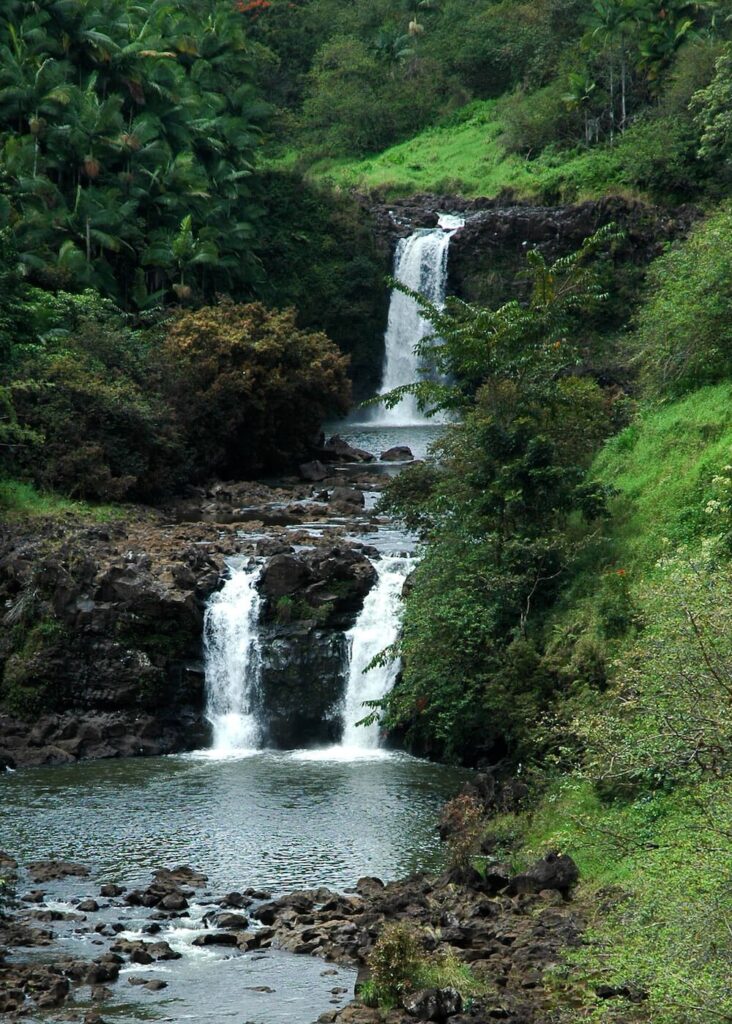
Kulaniapia Falls: This waterfall is on private property at The Inn at Kulaniapia Falls. You can book water rappelling experiences or stay at the resort, which is actually pretty cool if you have the budget. But it’s not essential for most visitors.
Smart Hawaii Travel Planning: Combinations That Actually Work
Here’s what I recommend based on on-the-ground Hawaii travel experience:
Half-day Hilo waterfall tour (4-5 hours):
- Rainbow Falls first thing in the morning (7:30-8am for rainbows)
- Drive to ‘Akaka Falls (30 minutes)
- Optional: Stop at Big Island Candies on your way back to Hilo
This combination makes sense geographically and you’ll be done by early afternoon.
Full-day Hamakua Coast drive:
- Start with Rainbow Falls in Hilo
- Drive north to ‘Akaka Falls
- Continue up the coast to Waipio Valley Overlook
- If you have time and energy, add Hawaii Tropical Botanical Garden
This is a long day but doable if you’re staying on the Hilo side.
What doesn’t work:
- Trying to see waterfalls and volcanoes in the same day (too much driving)
- Cramming Waipio Valley Shuttle into an already packed itinerary (it needs a dedicated half-day)
- Visiting waterfalls in the middle of the day in bright sun (worst lighting, biggest crowds)
Need help planning a realistic Hawaii itinerary? I offer one-on-one travel consultations where we map out your entire trip together.
Avoid Hawaii Travel Mistakes: Weather and Timing Tips
Rainfall patterns: The Hilo side of the Big Island is wet year-round, but December-March sees the most consistent rain. More rain = more dramatic waterfalls.
Summer months (June-August) can be drier, which means some waterfalls may be reduced to trickles.
I visited in August one year and Rainbow Falls was maybe 40% of its normal volume. Still worth seeing, but not as impressive.
Best time of day: Early morning (7-9am) for rainbows at Rainbow Falls. Mid-morning (9-11am) for good light at ‘Akaka Falls before tour buses arrive. Late afternoon (3-5pm) for smaller crowds everywhere.
Avoid midday (11am-2pm) when lighting is harsh and parking lots are fullest.
What to pack:
- Reef-safe sunscreen
- Water bottle (stay hydrated in the humidity)
- Bug spray (mosquitoes near water)
- Light rain jacket (Hilo side weather changes fast)
- Shoes with good tread (trails get slippery even when “dry”)
Don’t forget: Rent your car through Discount Hawaii Car Rental for the best Big Island rates. You’ll need 4WD if you’re doing any backcountry exploring, but a regular car is fine for all the waterfalls in this guide.
Big Island Waterfall Tours If You’d Rather Not Drive
Look, step-by-step Hawaii trip planning isn’t everyone’s thing. If you’d rather let someone else handle the logistics, these are the tours I actually recommend:
Majestic Waterfalls Tour: Hits Rainbow Falls, Akaka Falls, and Richardson Beach Park. Also stops at Big Island Candies, which I love. Good for first-timers who want efficient Hawaii itinerary building.
Waterfalls of Kohala Helicopter Tour: Want to see waterfalls you can’t reach on foot? This is it. You’ll see cascades hidden in valleys along the Hamakua Coast that are inaccessible any other way. Expensive but unforgettable.
Hilo Bay Waterfalls Kayaking: Combines easy kayaking with views of hidden waterfalls and coastline. Slower pace if you’re not into rushed tour-bus situations.
Waipio Valley Shuttle: Already covered this one, but it’s the only way to access the valley floor and see Hi’ilawe Falls.
Listen to more practical Hawaii travel advice on my Hawaii Travel Made Easy podcast.

Realistic Hawaii Travel Expectations: Final Thoughts
After 40+ Hawaii visits and 20 years of first-hand Hawaii travel knowledge, here’s my honest take:
The Big Island is not the best island for waterfall hunting. That honor goes to Kauai. Maybe Maui.
But the Big Island waterfalls you CAN see are convenient, beautiful, and don’t require expert-level hiking skills. Rainbow Falls and ‘Akaka Falls give you 90% of the Big Island waterfall experience with maybe 10% of the effort.
If you’re choosing between Big Island islands for your first Hawaii vacation, don’t choose the Big Island primarily for waterfalls.
Choose it for volcanoes, diverse landscapes, incredible snorkeling, and the fact that you can experience green rainforests, black lava fields, and white sand beaches all in one day.
Waterfalls are a fantastic add-on, not the main event.
My priority ranking for first-time visitors:
- Rainbow Falls (if staying in Hilo)
- ‘Akaka Falls (best overall waterfall experience)
- Waipio Valley Overlook (free, stunning views)
- Waipio Valley Shuttle (if you have time and budget)
- Everything else is optional
Focus on one or two waterfalls, then move on to the other amazing things this island offers.
Want my complete day-by-day Big Island itinerary? Get my Big Island Travel Guide here with everything from hotel recommendations to realistic Hawaii itineraries you can actually follow.
More Big Island planning resources:
- My Big Island packing list
- Best Big Island beaches worth visiting
- Things to do on the Big Island with family
- Big Island volcano tours compared
 | About the author: Marcie Cheung is a Hawaii travel expert who has visited Hawaii more than 40 times. She is the founder of Hawaii Travel Spot and host of Hawaii Travel Made Easy. She plans Hawaii vacations for couples, honeymooners, families, and other travelers. |