
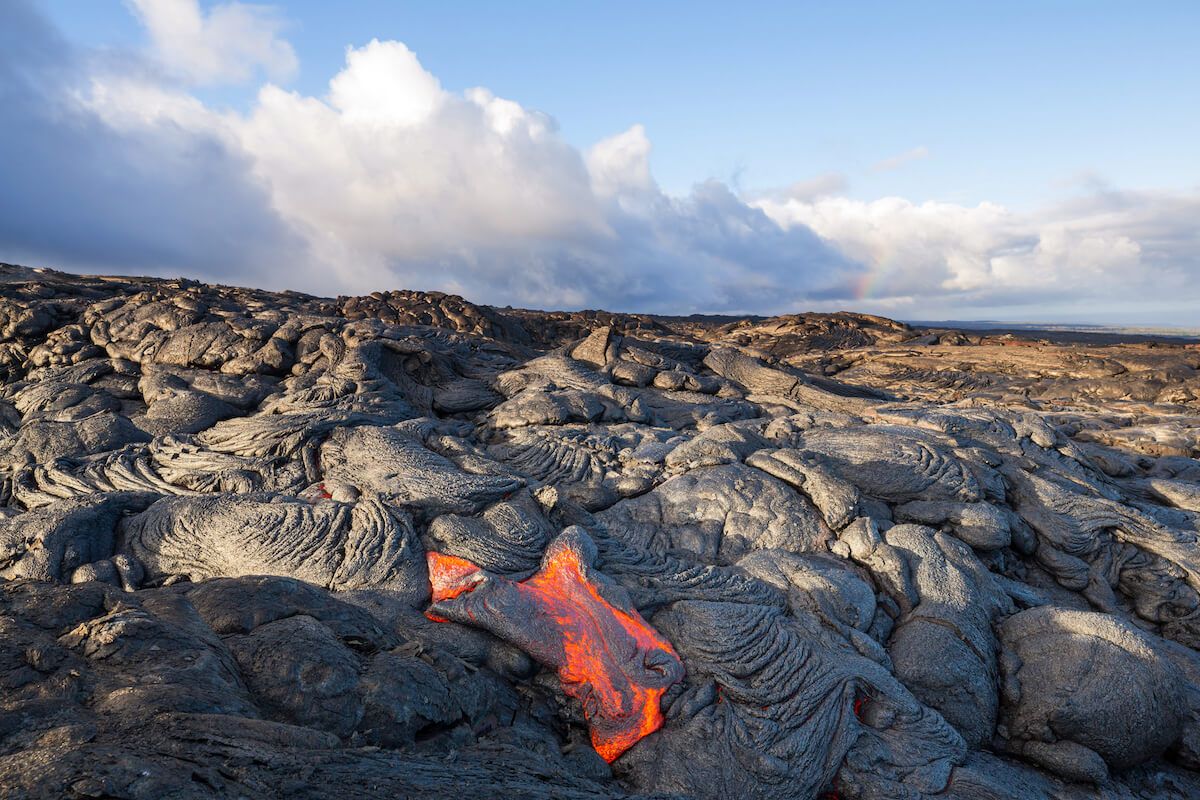
Trying to figure out your plans for a trip to the Big Island and want some cool activities for your day? Turn up the heat with some awesome volcano tours that will bring you to Hawaii Volcanoes National Park.
This list of Big Island volcano tours was written by Marcie Cheung (a Hawaii travel expert) and contains affiliate links which means if you purchase something from one of my affiliate links, I may earn a small commission that goes back into maintaining this blog.
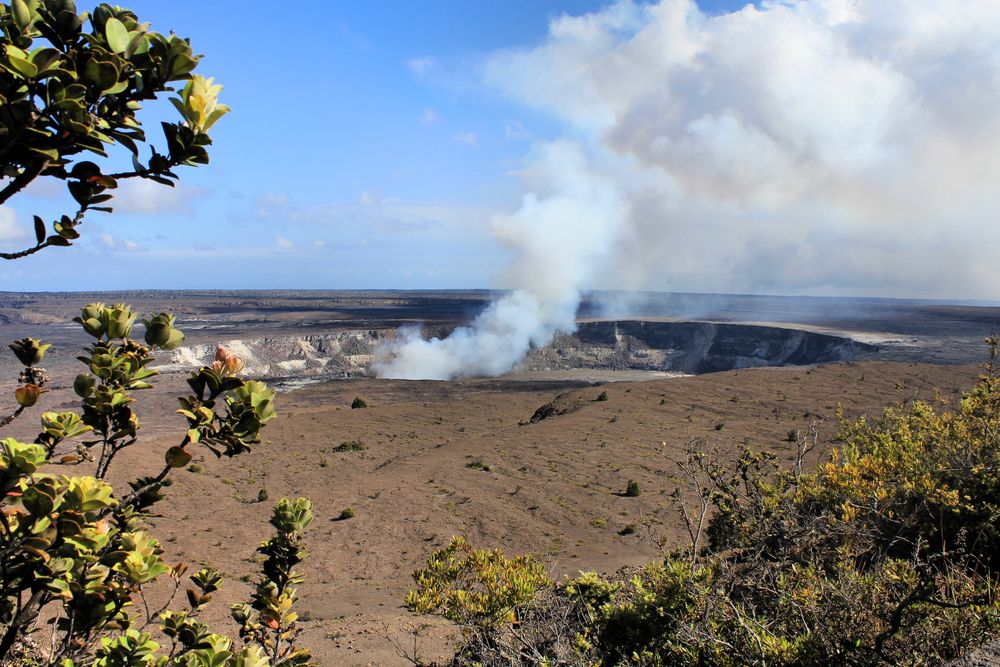
The first time I stayed at Volcano House, I woke up around 2 a.m. and could see the glow of Halema’uma’u crater right from my bed. No tour bus, no ticket, just a window and a little luck with the weather.
That’s the kind of moment that makes people want to see a Hawaii volcano in person, and it’s also why I get so many questions about which tours are worth the money.
I’ve been to Hawaii more than 40 times, and Hawaii Volcanoes National Park is one of the few places I keep going back to even after all those trips.
I’ve explored it on my own more times than I can count, and I’ve also done one of the guided excursions on this list myself. I haven’t personally booked every commercial tour below.
What I have done is dig into the current operators, routes, and reviews so you’re not stuck guessing which one fits your trip.
Quick Verdict
- Best overall for most visitors: A ground tour that combines the park with stops like Punalu’u Black Sand Beach and a coffee farm, since it covers a lot of ground without requiring you to drive a rental car through fog or rain.
- Best for a splurge: A doors-on helicopter flight out of Hilo. Shorter flight time from Hilo means a lower price tag than flying in from Kona.
- Best for independence: Renting a car and doing the park at your own pace with Discount Hawaii Car Rental, which consistently beats the big rental counters on price for Big Island trips.
- Best for families with younger kids: A private or small group tour where the pace can bend around nap times and shorter legs.
- Browse current options and prices on Viator.
What’s Happening With the Lava Right Now
People picture Kilauea as a river of lava running nonstop, and that image is years out of date.
Kilauea has been erupting on and off at its summit since December 2024, but it doesn’t erupt in one long, continuous stream the way a lot of older articles describe.
It happens in episodes. One episode might last several hours, then the volcano goes quiet for days or weeks before the next one starts.
As of late July 2026, the most recent episode lasted about seven hours and sent lava fountains roughly 500 feet into the air before pausing again.
When it’s paused, the aviation alert level typically sits at Advisory with a Yellow color code, meaning the volcano isn’t erupting at that moment.
So can you count on seeing lava during your trip? It’s a coin flip. Some visitors time it perfectly and watch fountains from an overlook. Others visit during a quiet stretch and see steam, cracked earth, and a crater that looks calm.
Both are worth the trip, but I don’t want you booking a $400 helicopter ride assuming lava is guaranteed, because it isn’t.
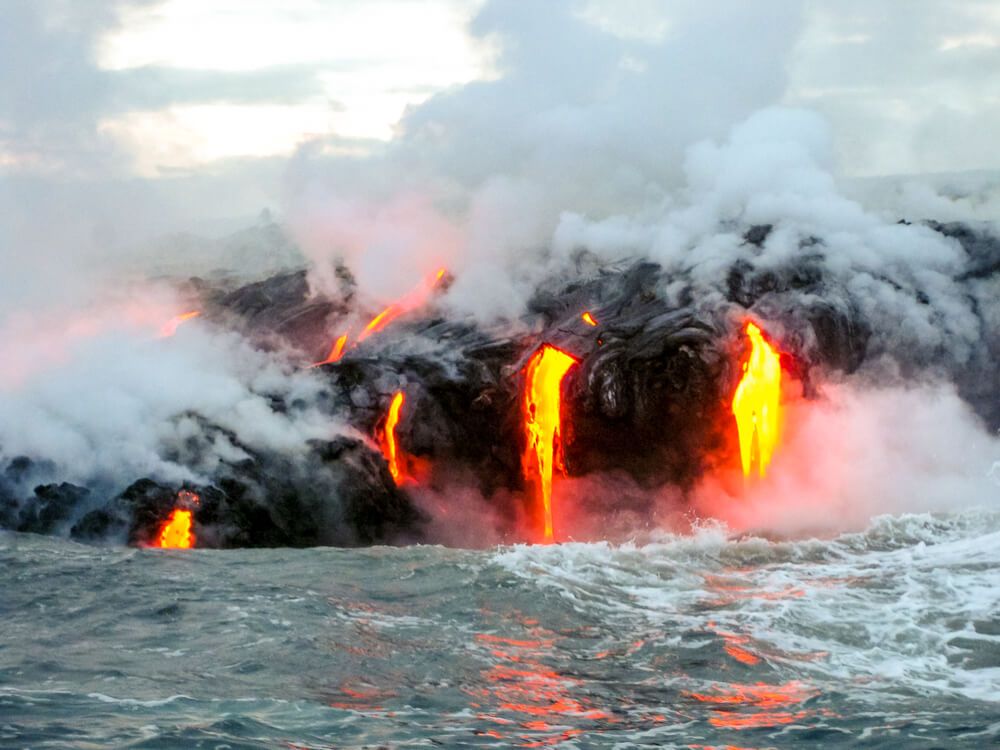
One more thing worth knowing before you book: there hasn’t been a sustained flow of lava reaching sea level since the 2018 eruption in lower Puna.
The good tour operators are upfront about this too. They’ll tell you the difference between “we’ll see the summit glow or plume” and “we’ll see fountains” before you hand over your credit card, and you should expect the same honesty from whoever you book with.
Before you book anything, check the USGS Kilauea updates page for the current status, and check with your tour operator about their most recent flights.
7 Big Island Volcano Tours Worth Considering
1. Safari Helicopters Volcano Flight (Hilo)
Safari Helicopters has flown out of Hilo since 1987, making them the longest-running helicopter operator on the island.
Flying from Hilo puts you closer to the volcano than a Kona departure, which usually means less transit time and a lower price tag.
This is the one I’d call the safe default if you just want a good volcano flight without overthinking it. Check the latest rates.
2. Blue Hawaiian Discover Hilo Tour
Blue Hawaiian’s Hilo-based tour pairs the volcano with the Hamakua coast, so waterfalls and sea cliffs show up in the same flight instead of just crater views.
It’s the better pick when you want the full aerial picture of the island rather than a tour that’s only about lava. Check the latest rates here.
3. Paradise Helicopters Doors-Off Tour
Paradise runs their doors-off option out of Kona or Hilo, and it’s the pick if photography is the whole point of your flight.
No glass or window glare between you and the shot. Bring a strap for your camera and dress warm, since it gets cold and windy with the doors open.

4. Rainbow Helicopters Kilauea Volcano Tour (Kona)
Rainbow flies out of Kona and makes doors-off their standard setup rather than an upgrade. That does come at a cost.
The flight runs longer and pricier since you’re covering more distance to reach the volcano from the Kona side, so this one makes the most sense if you’re already staying on that coast and don’t want to add a drive to Hilo on top of it. Check rates here.
5. Full-Day Circle Island Ground Tour
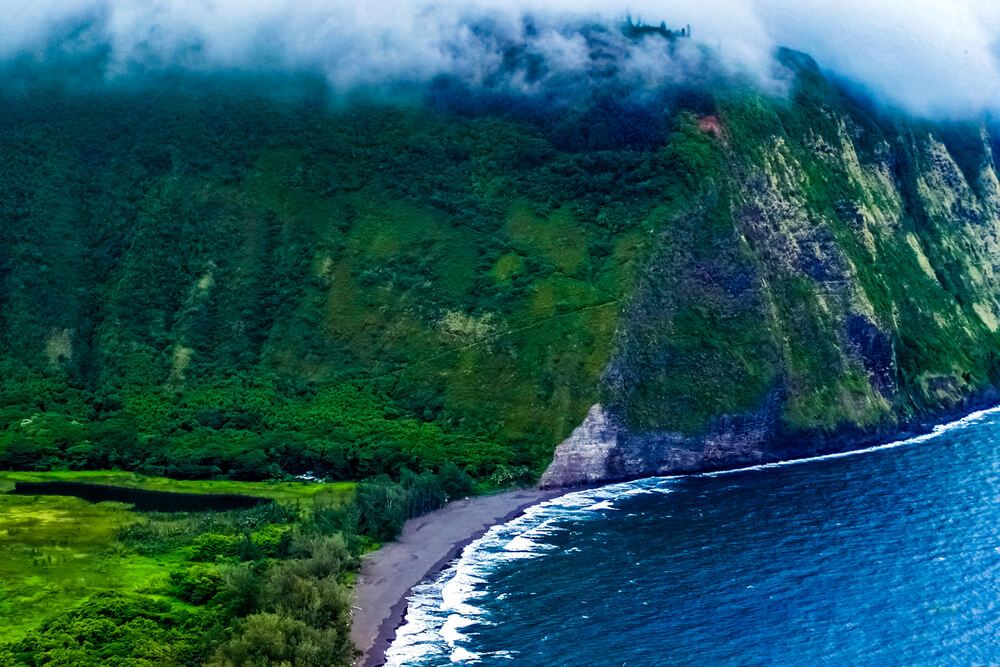
These run 10 to 12 hours and combine the park with stops like Punalu’u Black Sand Beach, Waipio Valley, a coffee farm, and Rainbow Falls in Hilo.
I’ve been to Rainbow Falls myself several times, including once right after a big rainstorm when it was running at full force, and it earns its spot on the itinerary even outside of a tour.
Someone else drives, someone else finds parking, and you see more of the island in a day than you’d manage safely on your own, especially if the Hamakua coast weather turns.
Good fit for first-time visitors trying to cover a lot of ground in one day. Skip it if you’d rather move at your own pace or you only care about the park itself.
6. Friends of Hawai’i Volcanoes National Park Private Excursion
This is the option I’ve done myself. Friends of Hawai’i Volcanoes National Park runs small guided hikes and private excursions inside the park, and the guides go deep on the geology, native plants, and Hawaiian cultural history in a way a big bus tour never will.
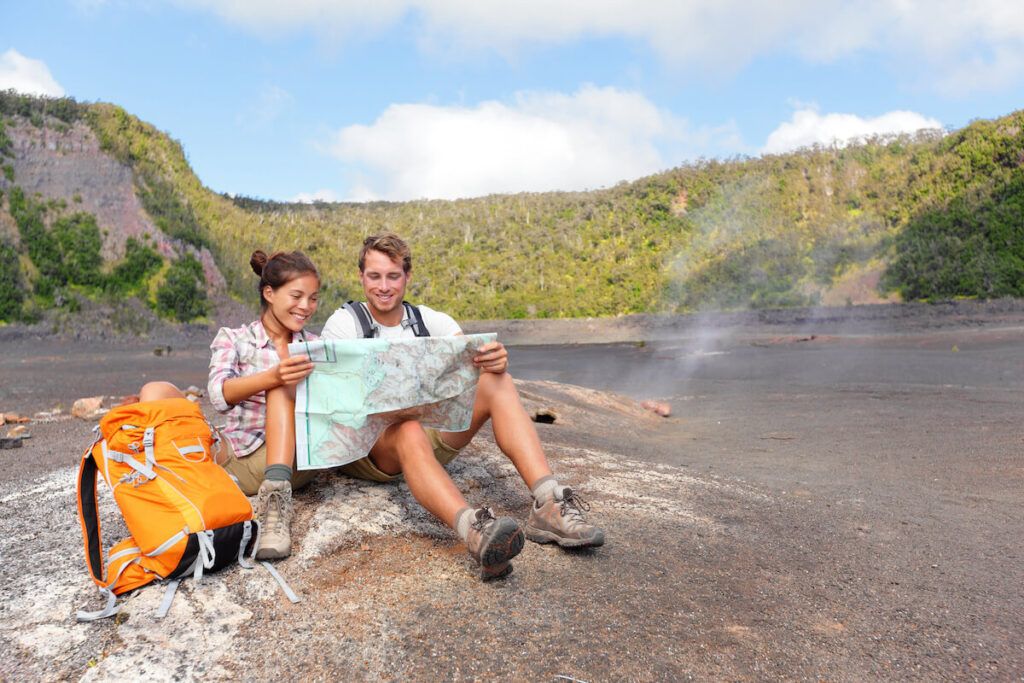
Groups stay small, the pace is flexible, and proceeds support the park itself.
This is where I’d point families with younger kids or anyone traveling with grandparents.
One note from experience: my youngest sprained his elbow years ago climbing on lava rock near an overlook. It looks sturdy. It isn’t always. Keep an eye on kids around that terrain no matter which tour you book.
7. Do It Yourself With a Rental Car
You don’t need a tour to experience this park well. Entrance runs $30 per vehicle, $25 per motorcycle, or $15 per person on foot, and that pass covers seven consecutive days.
You generally don’t need a timed-entry reservation to drive in, though that can change during high-visitation periods or construction closures near the entrance station.

If you want a realistic Hawaii itinerary that fits the park around waterfalls and black sand beaches on your own schedule, renting through Discount Hawaii Car Rental tends to beat what you’d pay booking directly with the big rental brands.
Pack layers regardless of which option you choose. The summit sits over 4,000 feet and can run 20 degrees cooler and far windier than the coast.
Where to Stay Near the Park
If you want the glow-from-your-window experience I mentioned earlier, Volcano House is the only lodging inside the park itself, and it’s the one my family goes back to.

It’s not fancy, but the location can’t be beat, and on a clear night you might catch the crater glow without leaving your room.
If Volcano House is booked or you want more space, Volcano Village has a handful of solid vacation rentals just outside the park entrance. Check current rates and availability on Booking.
Big Island Volcano Tour FAQs
Is lava flowing right now?
It depends on the day. Kilauea erupts in episodes, not one continuous flow, and each episode runs several hours followed by a pause that can last days or weeks. Check the USGS Kilauea updates page before your trip so you know what you’re walking into.
How much time should I plan for the park, and what does it cost to get in?
A full day covers the main sights without rushing. Want to hike, catch a ranger program, and drive Chain of Craters Road too? Give it two to three days instead. Entry itself runs $30 per vehicle, $25 per motorcycle, or $15 per person on foot or bike, and that pass covers seven consecutive days.
Do tours book up in advance?
Helicopter flights and the popular ground tours do, especially in summer and from December through February. If you’re doing the park on your own, you just need your entrance pass, no advance reservation required in most cases.
Planning the Rest of Your Big Island Trip
Hawaii Volcanoes National Park is usually just one stop on a longer Big Island itinerary, and figuring out how to fit it in with everything else the island offers is where a lot of Hawaii trip planning goes sideways.
If you want a full breakdown of where to stay, what to prioritize, and how to build a realistic Hawaii itinerary for the island, my Big Island travel guide covers that in depth, and my Hawaii island hopping guide is worth a look if the Big Island is only part of your trip.
I also talked through exactly how to plan a visit to this park, including timing, what to pack, and how to handle an active eruption, on my podcast. You can listen to that episode of Hawaii Travel Made Easy here.
And if you’d rather not piece this together yourself, this is exactly the kind of trip I help people plan through my Hawaii travel consultations.
I can help you figure out the right tour, the right timing, and how it all fits with the rest of your Big Island days.
Whichever way you see it, go in knowing the lava is unpredictable, keep your family off the loose rock, and let the park itself be the reason you’re glad you came.
 | About the author: Marcie Cheung is a Hawaii travel expert who has visited Hawaii more than 40 times. She is the founder of Hawaii Travel Spot and host of Hawaii Travel Made Easy. She plans Hawaii vacations for couples, honeymooners, families, and other travelers. |
