Are you planning a trip to the Big Island on a budget? Scroll to find out the best cheap and free things to do on the Big Island of Hawaii!
This list of cheap and free things to do on the Big Island was written by Marcie Cheung (a Hawaii travel expert) and contains affiliate links which means if you purchase something from one of my affiliate links, I may earn a small commission that goes back into maintaining this blog.
If you’ve heard that Hawaii is expensive, you’ve heard correctly — but the Big Island is the exception nobody talks about enough.
Some of the most memorable things you can do here cost nothing at all: watch sea turtles on a black sand beach, hike into a valley carved by ancient lava flows, stand at the edge of an active volcano.
That said, a few things have changed recently that are worth knowing.
Hawaii has been rolling out new entry fees at state parks that used to be free, and what was accurate even two years ago isn’t always accurate now.
I’ve updated this guide for 2026 with current prices, which spots now charge, and where you can still get away without spending a cent.
I’ve been to Hawaii over 40 times, and the Big Island is the island I point budget travelers toward first. Here’s what’s actually worth your time and money.
Putting together a Big Island itinerary? My Big Island travel guide covers the full picture, or you can book a one-on-one Hawaii travel consultation for a custom plan built around your budget.
Best Free Things to Do on the Big Island
1. Hit the Beach (Over 100 to Choose From)
Every beach in Hawaii is public by law, so no resort can block access — though some state parks now charge for parking. The beaches themselves are always free.
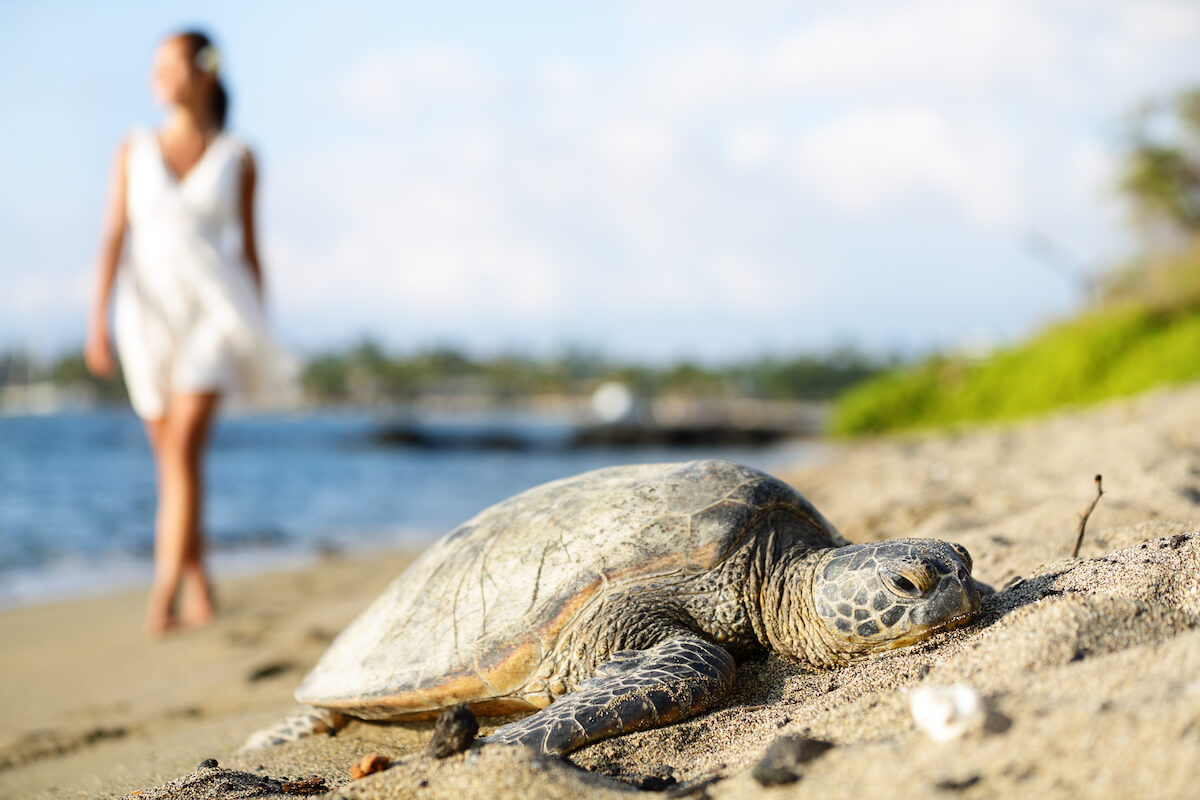
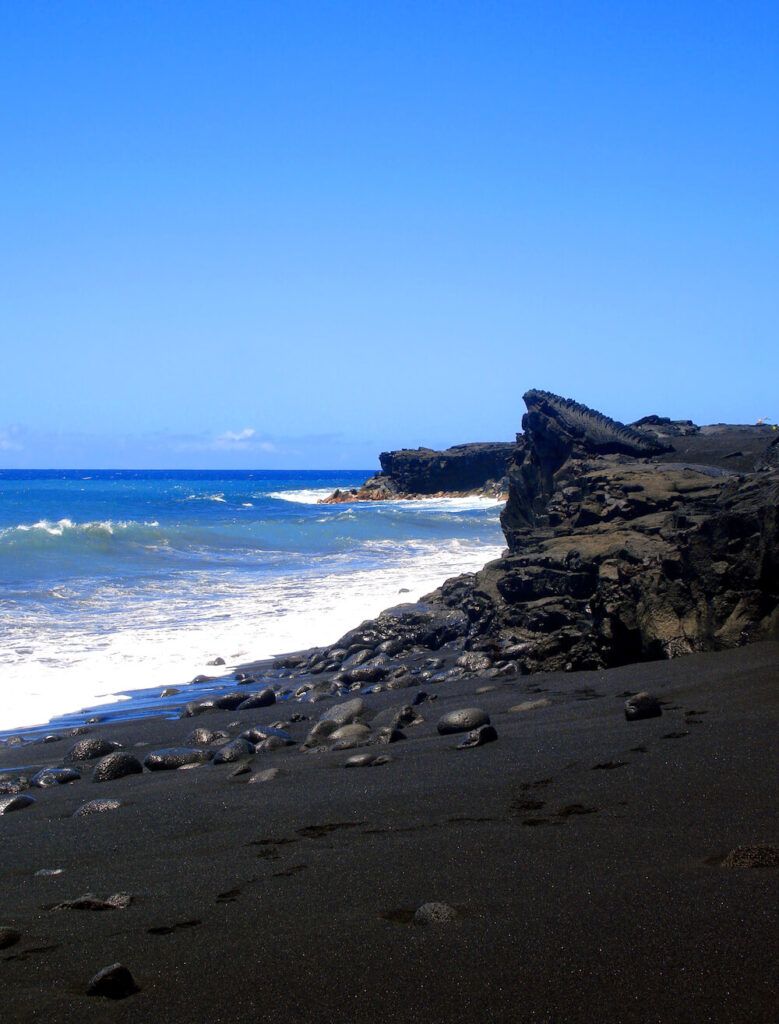
Punaluu Black Sand Beach is a must. It’s free, accessible straight from the parking lot, and one of the most reliable spots on the island to see Hawaiian green sea turtles resting on the sand.
Stay at least 10 feet back — it’s the law, and the turtles look more relaxed when people aren’t crowding them.
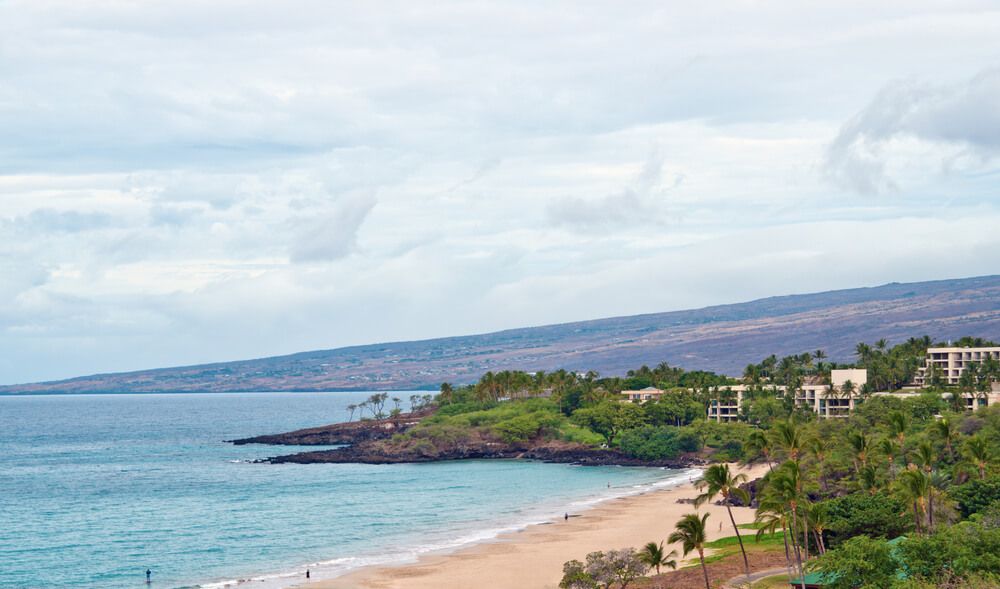
Hapuna Beach is arguably the best white sand beach on the island, but non-residents now pay for entry and parking. Check current fees at Hawaii State Parks before you go.
For something more off the beaten path, Honomalino Beach on the south Kona coast requires a short hike but rewards you with calm water and almost no crowd.
2. Hike Pololu Valley
The Pololu Valley lookout at the far northern tip of the island is free and one of the more dramatic views on any Hawaiian island.
From there, you can hike down about a mile to the black sand beach below. It’s steep in places but short.
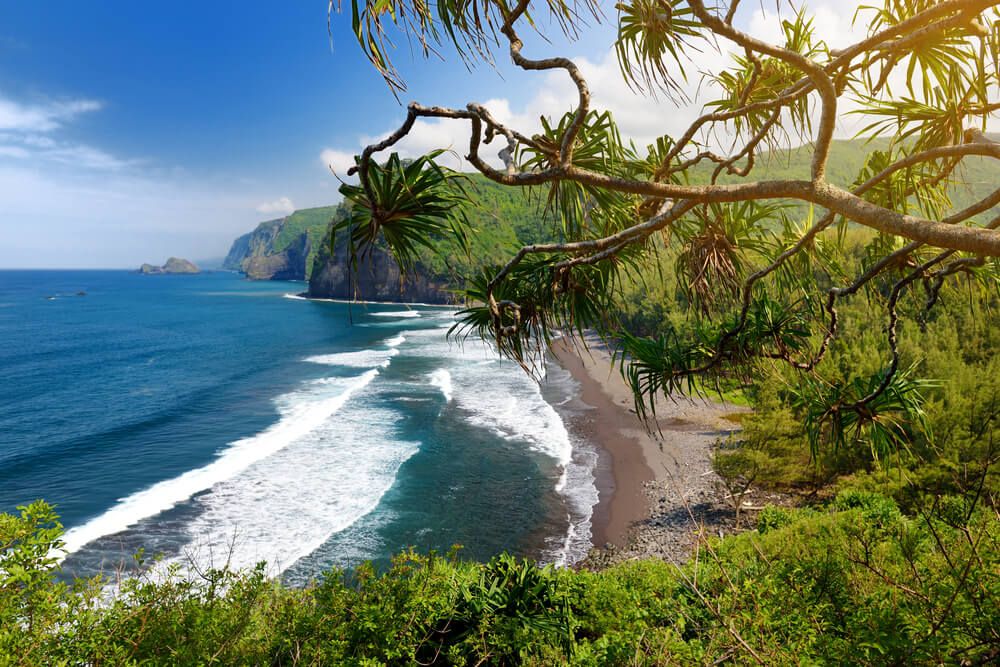
The sea cliffs stretching off in both directions are what make it worth it even if you never reach the beach.
If you want a longer hike, the Pu’u Kalepeamoa Sunset Hill Trail is worth adding to your list.
Before either, check out the Hawaii hiking essentials packing list on my family travel site so you’re not caught underprepared.
3. Drive the Red Road
Highway 137, known locally as the Red Road, runs along the Puna coastline on the east side of the island.
No tolls, no reservations, no crowds. Just pull over when something catches your eye and take your time.
The road winds through dense jungle with the ocean appearing in gaps between the trees.
At the end, walk the Kaimu Beach Eco-Path through a lava field where a 1990 eruption buried an entire neighborhood and the beach that went with it.
Watching the forest slowly reclaim the lava is one of the more quietly moving things you can see on the island.
4. Kaumana Caves
A short drive from Hilo, the Kaumana Caves are a lava tube system that’s free to visit.
The walk down from the parking area takes a few minutes, and you can explore the entrance area on your own.
Bring a flashlight or make sure your phone has a good light — it gets dark immediately.
The caves eventually become private property so you can’t go far, but what’s accessible is unusual enough to justify the stop.
5. Hamakua Macadamia Nut Company
This one surprised me. I brought my youngest son here a few years ago mostly as a break in the drive, and we ended up staying far longer than planned.
He was completely absorbed by the show window on the production floor, watching the nuts get packaged.
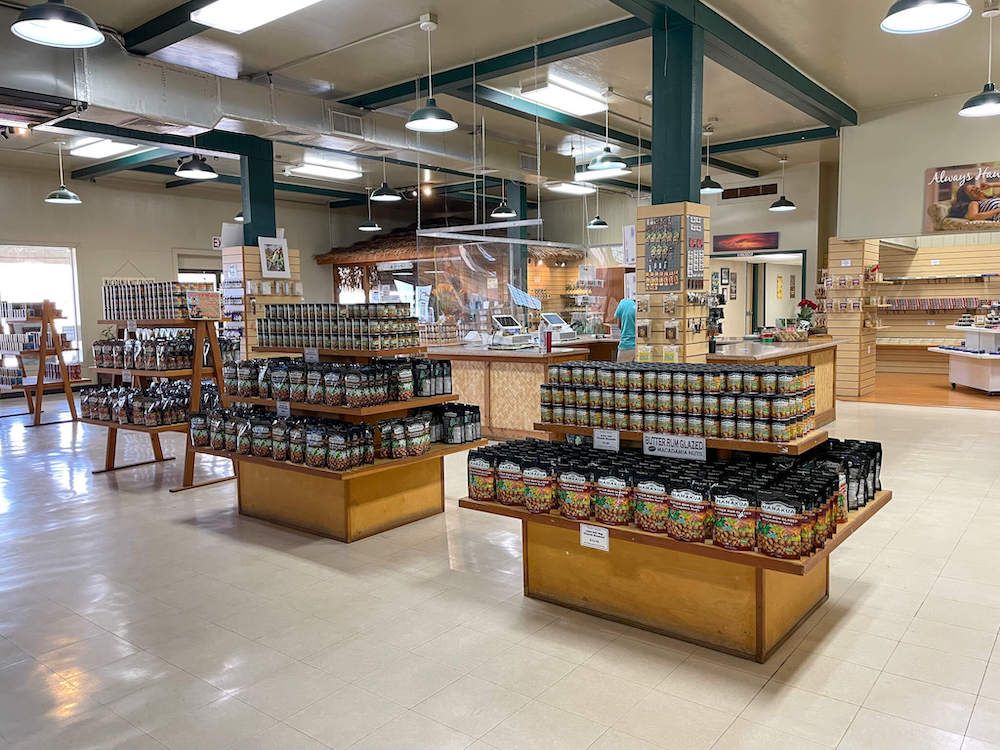
He got to crack nuts with the special machine they have set up for visitors, and I worked my way through nearly every flavored variety in the sample bowls. The macadamia nut brittle especially.
The self-guided tour is free, the samples are free, and everything is grown right there in Hawaii. It’s the kind of stop that sneaks up on you and ends up being a trip highlight.
6. Rainbow Falls (Note: Now Has an Entry Fee)
Rainbow Falls in Hilo is no longer free. As of January 2026, non-residents pay $5 per person plus $10 per vehicle to enter Wailuku River State Park, where the falls sit. For two people, you’re looking at roughly $22 with taxes.
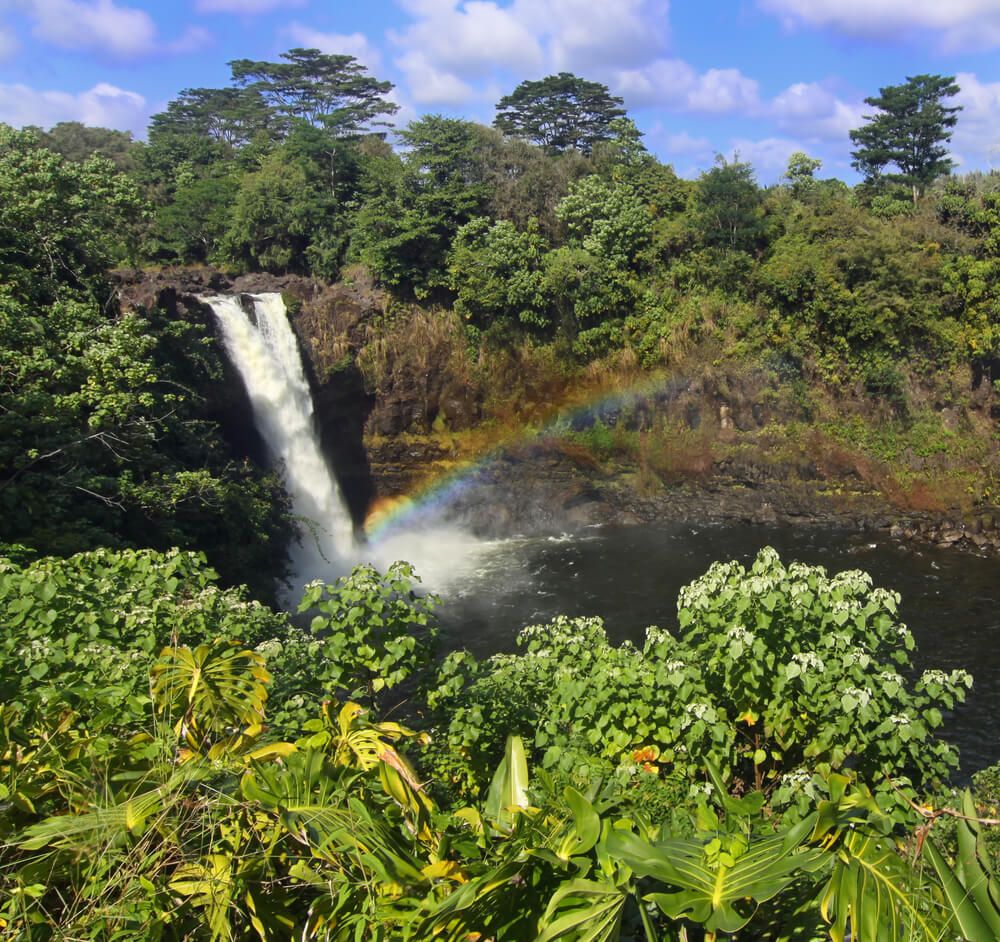
Payment is by QR code on-site, and the parking lot is small, so arriving early matters more here than at most spots.
It’s still worth it. I’ve visited multiple times and it never gets repetitive. Once, we came right after a heavy rainstorm and the water was roaring over that cliff at a volume I hadn’t seen before.
And yes, the rainbow is real — come on a sunny morning before 10 a.m. and you have a solid shot at seeing one.
The entry fee also covers Boiling Pots, another section of the park upstream where the water bubbles through interconnected lava pools. If you have time, see both.
And if you have kids with you, mention the Hawaiian legend: the cave beneath the falls was said to be the home of Hina, mother of the demigod Maui.
7. Kaloko-Honokohau National Historical Park
Of everything on this list, this is the one I push hardest. Kaloko-Honokohau National Historical Park, just north of Kona, is free to enter and almost always quiet.
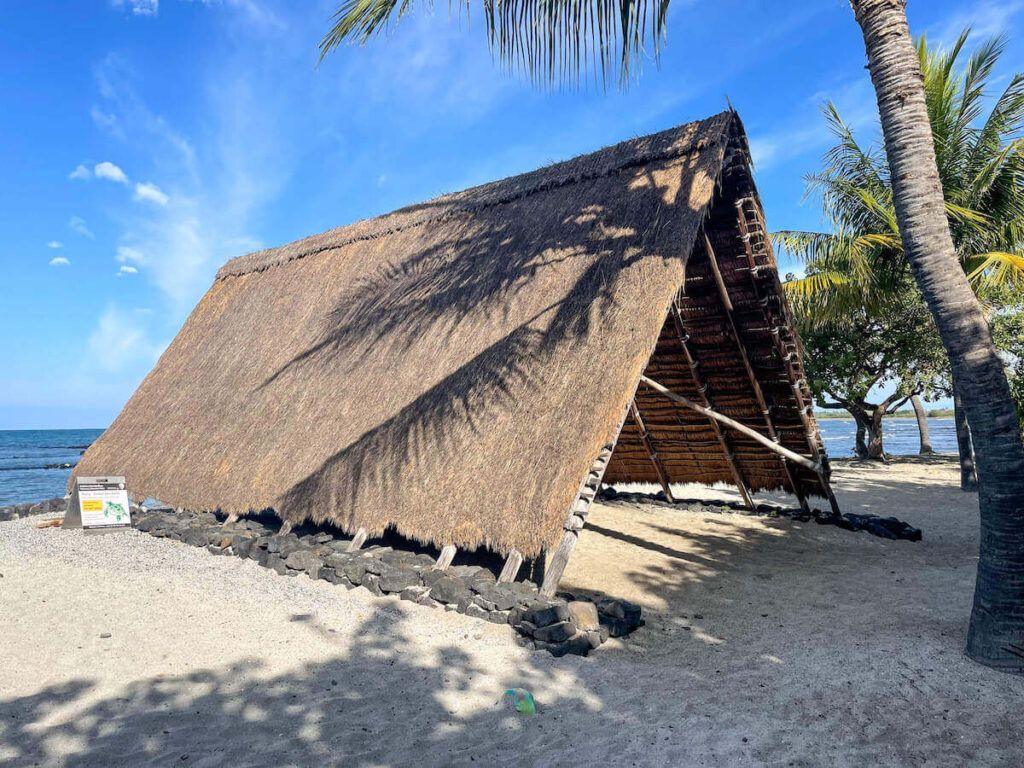
The first time I visited, I couldn’t believe we had the place practically to ourselves. Ancient fishponds, temple ruins, petroglyphs, and a stretch of coastline that looks unchanged for centuries.
Every friend I’ve sent here has come back saying it was an unexpected highlight.
The Big Island’s volcanic geology gets all the attention, but the cultural history here is just as remarkable.
8. Snorkel at Kahalu’u Beach Park
Kahalu’u Beach Park in Kona is the easiest snorkeling on the island, and it’s free.
The bay is protected, the water is calm, and you’ll see sea turtles, reef fish, and coral without going more than a few yards from shore.
Gear rentals are available nearby. The marine life here competes with what you’d see on a paid boat tour.
Arrive early — by mid-morning it gets crowded with tour groups and the parking fills up.
9. Lava Tree State Monument
Near Pahoa in the Puna district, the Lava Tree State Monument is free and one of the stranger places on the island.
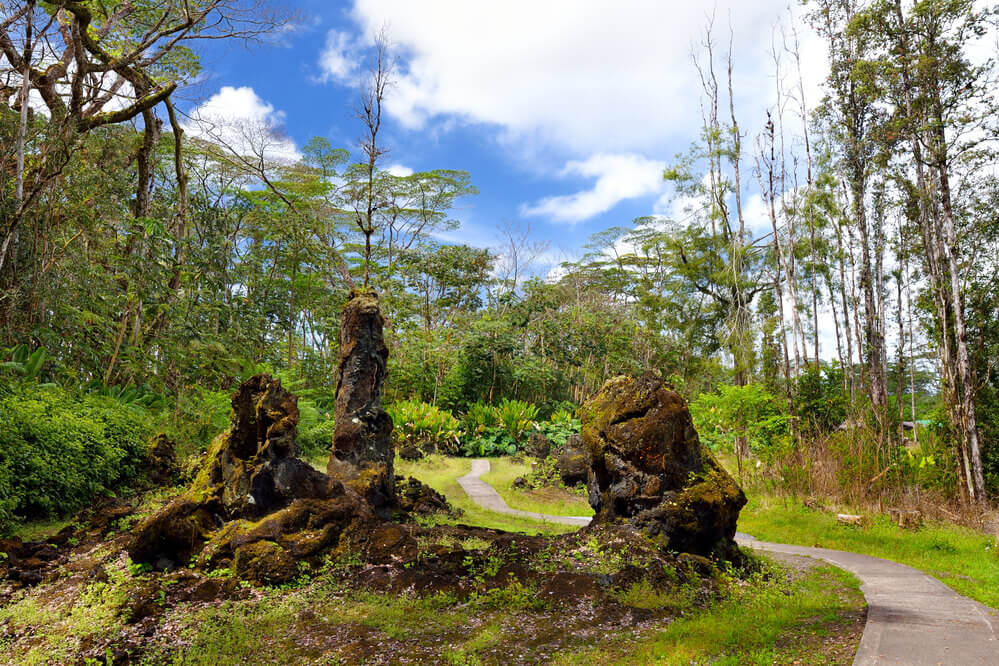
A lava flow moved through a forested area and left behind hollow molds in the shapes of trees — columns of hardened lava rising out of a jungle that’s since grown back around them.
Odd, quiet, and unlike anything else on the island. The loop trail takes about 20 to 30 minutes.
10. Sunsets on the Kona Coast
The sunsets on the west side of the island are exceptional, and they’re free every night.
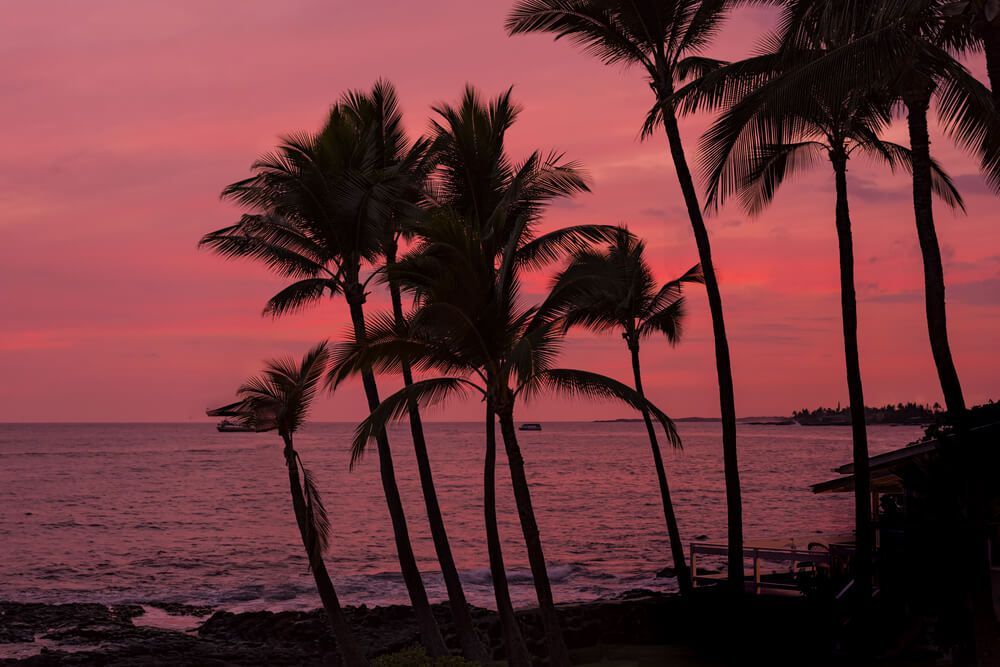
Head to any beach along Ali’i Drive in Kailua-Kona around 6 to 7 p.m. and plan to stay until the light goes.
The walk along the water is a natural end to a full day, and the sky almost always delivers.
11. Pana’ewa Rainforest Zoo (Small Fee as of 2025)
Worth flagging: Pana’ewa Rainforest Zoo near Hilo started charging admission in September 2025.
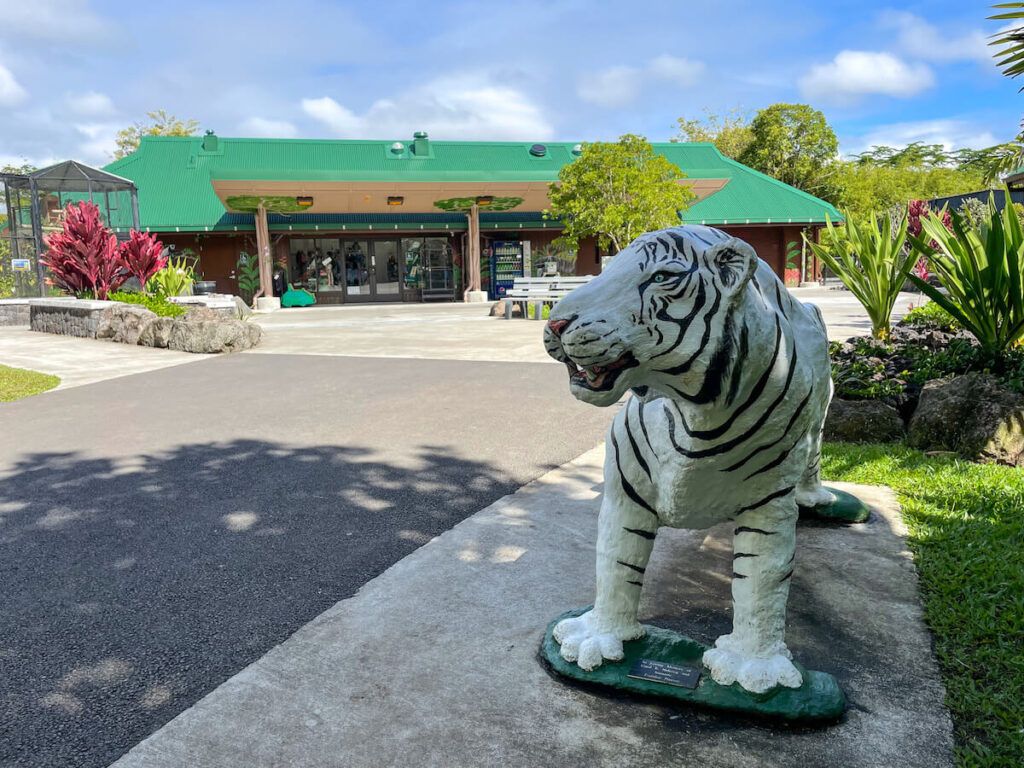
Non-island-resident adults pay $12; kids ages 3 to 17 pay $5. Big Island residents pay $4 for adults, and children under 3 and seniors over 60 who are residents get in free.
It’s still worth a visit, especially with kids. It’s the only zoo in the United States located in a natural tropical rainforest, with Bengal tigers, a giant anteater, American alligators, and more across 12 acres.
The petting zoo runs Saturdays from 1:30 to 2:30 p.m. Just know before you go that the free days are over.
12. Greenwell Farms Coffee Tour
One of the best free stops on the Kona side and consistently underrated.
Greenwell Farms runs daily guided tours from 9 a.m. to 3 p.m. with no reservation needed — just show up 10 to 15 minutes before a tour starts.
Each tour lasts about 45 to 60 minutes and walks you through growing, processing, and roasting with coffee samples before and after.
The farm has trees planted in 1900 and 1903, and learning that while you’re standing next to one of them puts Kona coffee in a different light.
Best Cheap Things to Do on the Big Island
1. Hulihee Palace ($16 to $22)
Most visitors walk right past it on Ali’i Drive in Kailua-Kona, which is a shame.
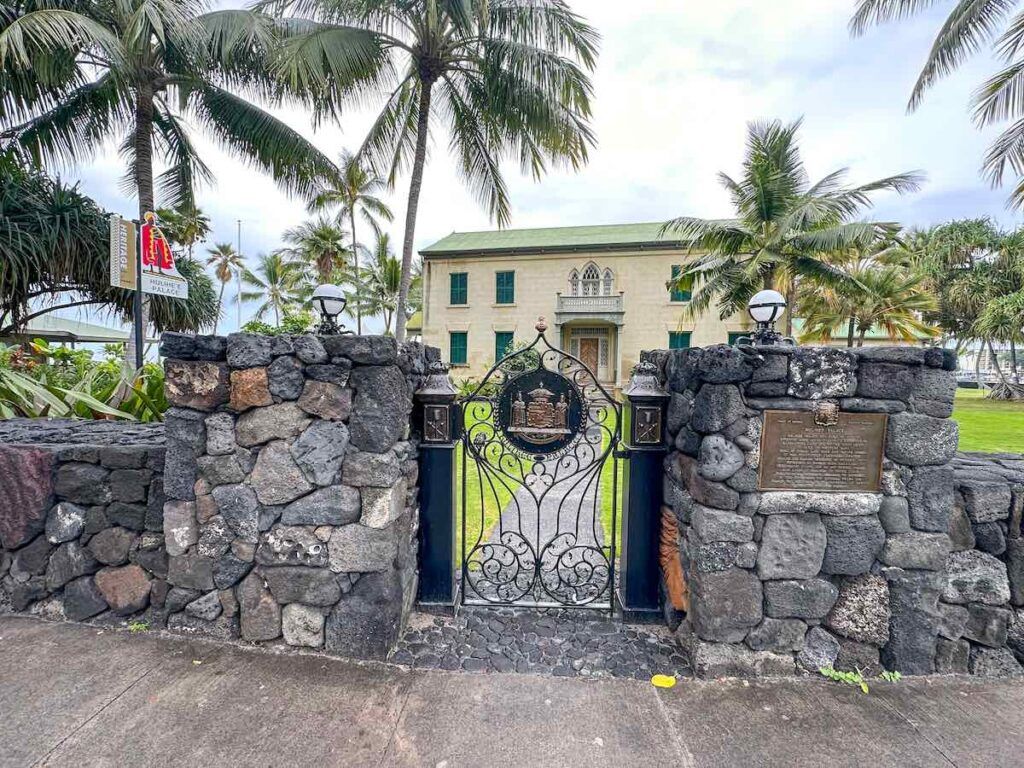
Hulihee Palace is a 19th-century Hawaiian royal vacation home turned museum, full of artifacts from the ali’i who summered here. A self-guided tour is $16; guided is $22.
If you have any curiosity about the Hawaiian monarchy and the culture that shaped these islands, it’s worth an hour.
2. Farmers Markets
The Hilo Farmers Market on Wednesday and Saturday mornings is one of the best in the state — fresh tropical fruit, plate lunches, local honey, Hawaiian salt, handmade crafts.
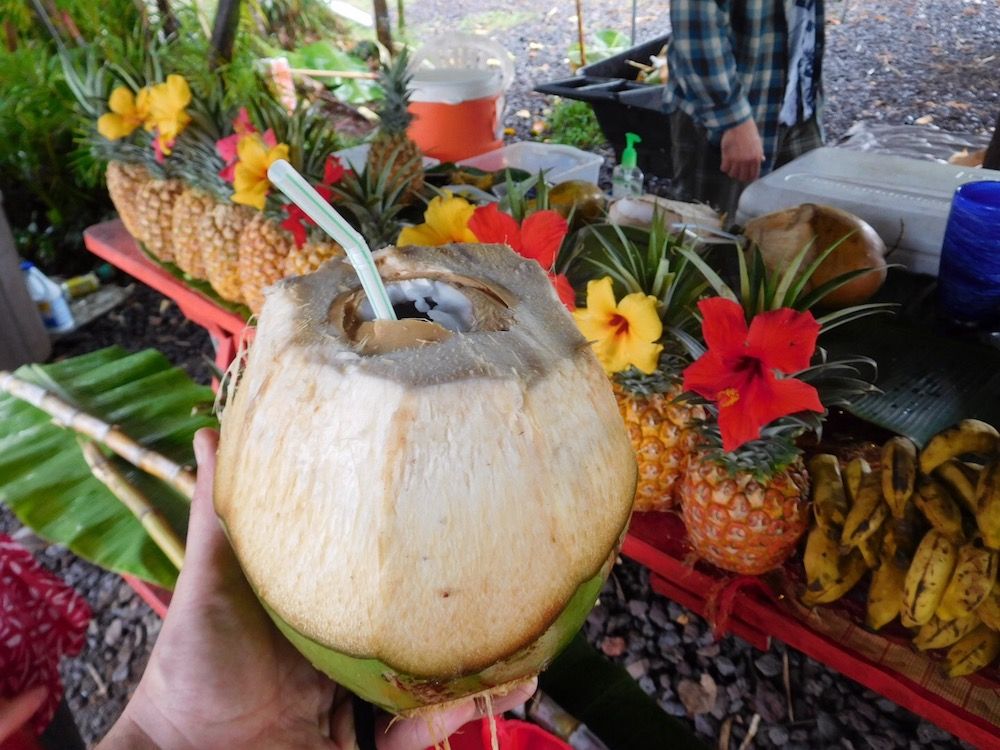
You can eat well for $10 to $15 and leave with something to bring home.
There are more than 20 markets scattered across the island throughout the week, so you can almost always find one close to where you’re staying.
3. Akaka Falls State Park ($5 per person plus $10 parking)
I love taking my kids to Akaka Falls. It’s such an easy walk — a paved 0.4-mile loop through bamboo groves, wild orchids, and giant ferns — and the payoff at the viewpoint is one of those wow moments that gets us every time.
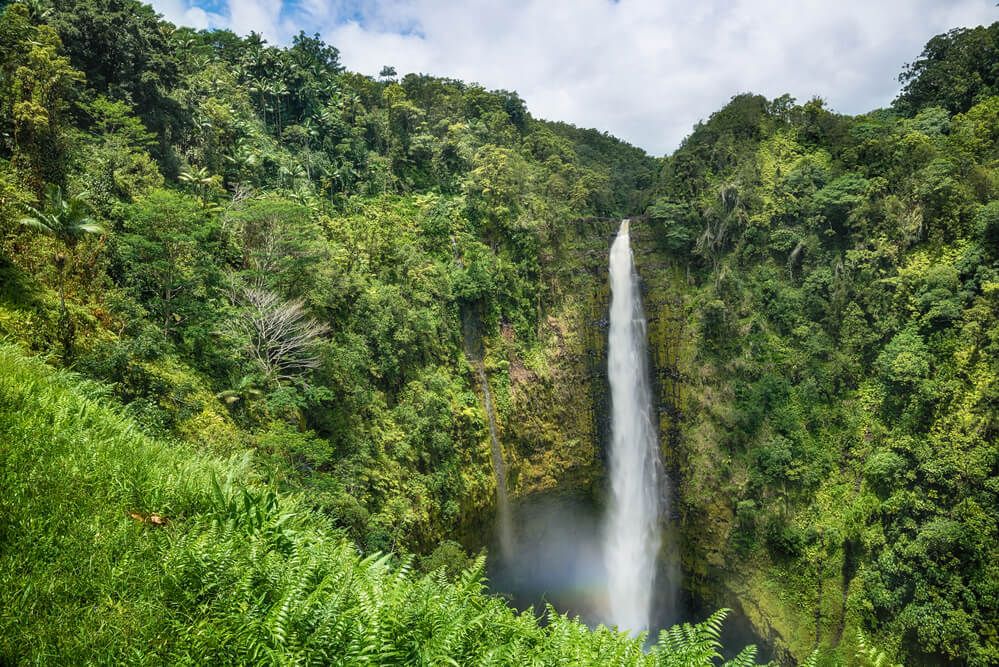
At 442 feet, this is one of the tallest waterfalls in Hawaii, and the setting makes it feel even bigger.
Entry is $5 per person plus $10 per vehicle for non-residents, credit cards only. Cell service near the trailhead is spotty, so pre-pay online before you head out. The park opens at 8:30 a.m. and mornings are quieter.
4. Botanical Gardens
The Hawaii Tropical Bioreserve and Garden near Papaikou on the Hamakua Coast is the one I recommend most. At $30 per adult, it’s not cheap, but it earns the price.
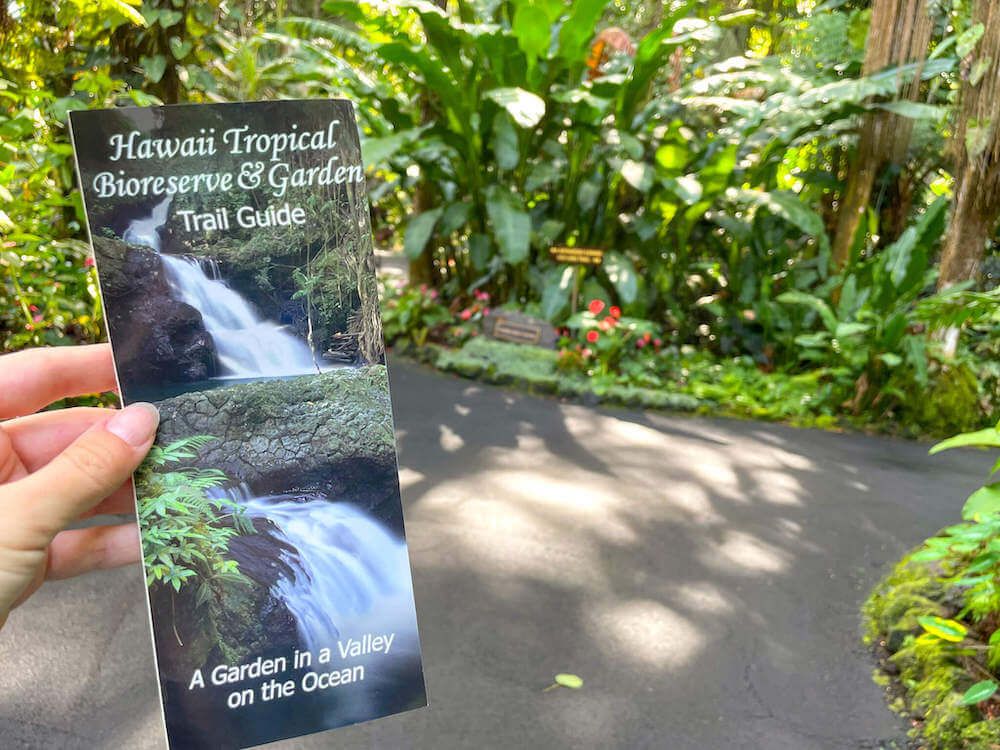
Fair warning: the trail is significantly steeper than it looks on paper — I was not expecting the climb the first time I went.
But the landscaping is exceptional, there’s outdoor artwork woven in throughout, and the cultural elements give it a depth you don’t find at most botanical gardens.
When you reach the bottom and the bay comes into view, the whole thing clicks.
The World Botanical Gardens in Hakalau is another solid option, open daily from 8:30 a.m. to 5:30 p.m.
It includes a rainforest trail, waterfall views, and a maze the kids tend to love. Check current pricing and hours on their website before you go.
5. Hawaii Volcanoes National Park ($30 per vehicle)
The $30 vehicle pass covers seven days of access, which makes it one of the best deals in Hawaii.
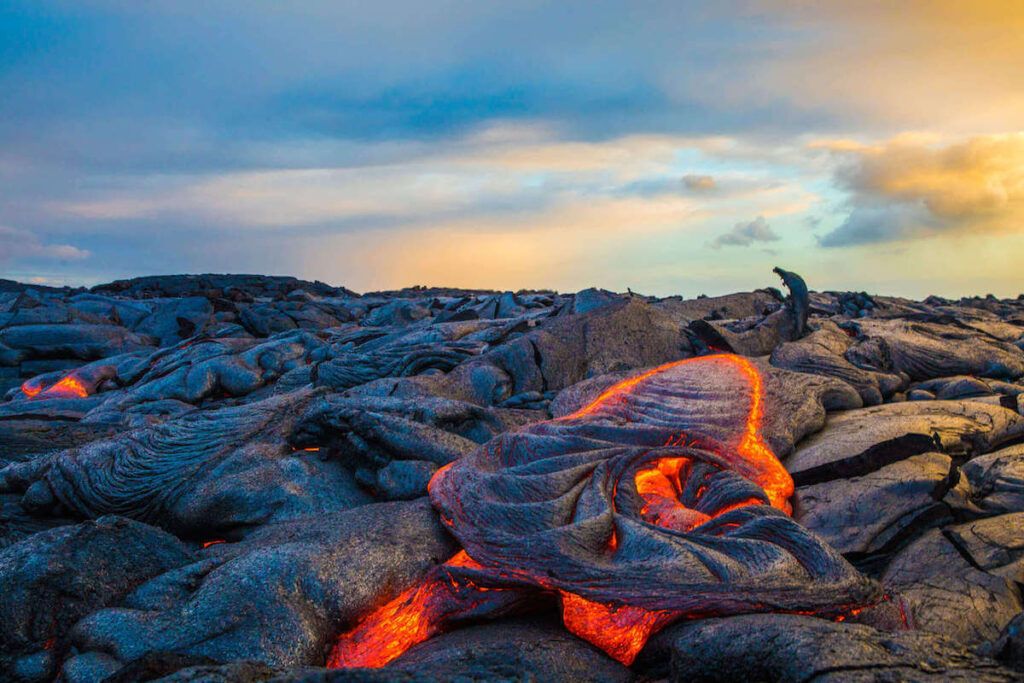
The park is open 24 hours and there’s a lot to do: the Kilauea Iki trail across a hardened lava lake, Chain of Craters Road down to the coast, the Thurston Lava Tube, and — when conditions allow — active lava.
Visiting at night during an eruption event is a completely different experience from a daytime visit: darker, quieter, more surreal.
If you have an America the Beautiful annual pass ($80 for U.S. residents), it covers entry. The park has a handful of fee-free days throughout the year for U.S. residents — check the NPS website for 2026 dates.
Want a guided experience? Browse options on Viator or Get Your Guide. A knowledgeable guide makes a real difference here, especially during active eruption periods.
6. Mauna Kea Visitor Center (Free) or Summit Tour
Any regular car can drive to the Mauna Kea Visitor Center at 9,200 feet elevation.
The views are already remarkable from there, and the center runs free stargazing programs most clear evenings.
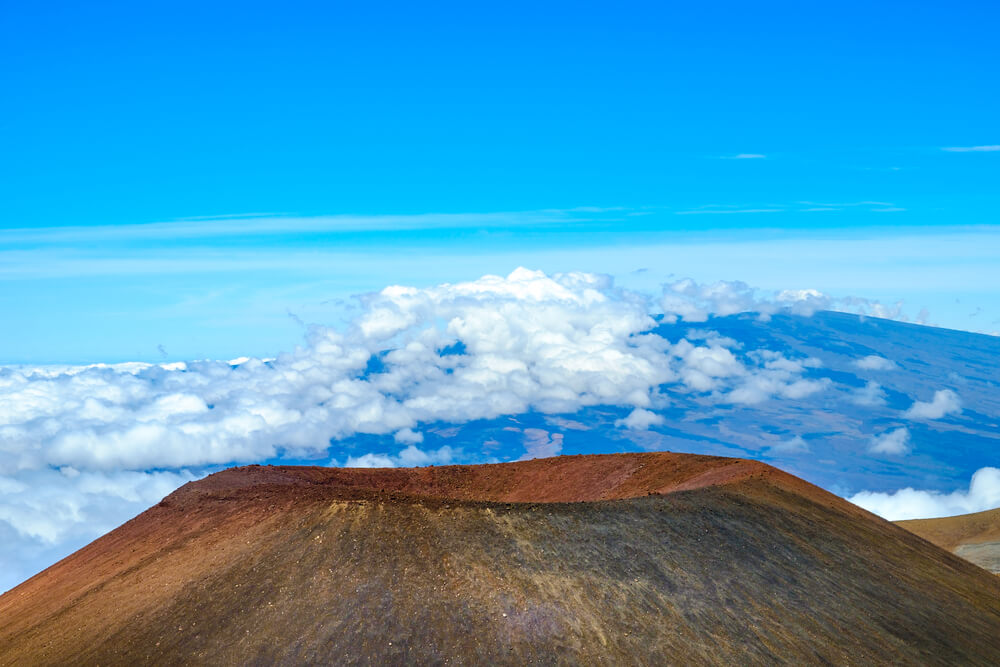
If you want the 13,796-foot summit, you need a 4WD vehicle and should spend at least 30 minutes at the visitor center first to acclimatize — altitude sickness above 9,000 feet is real and can come on fast.
If the logistics feel like too much, a guided summit tour handles the 4WD vehicle, warm gear, and all the planning. Worth pricing out on Viator.
7. Kona Brewing Company Tour ($20)
A one-hour tour of the Kona Brewing Company taproom runs $20 per person and includes 4-ounce samples as you go.
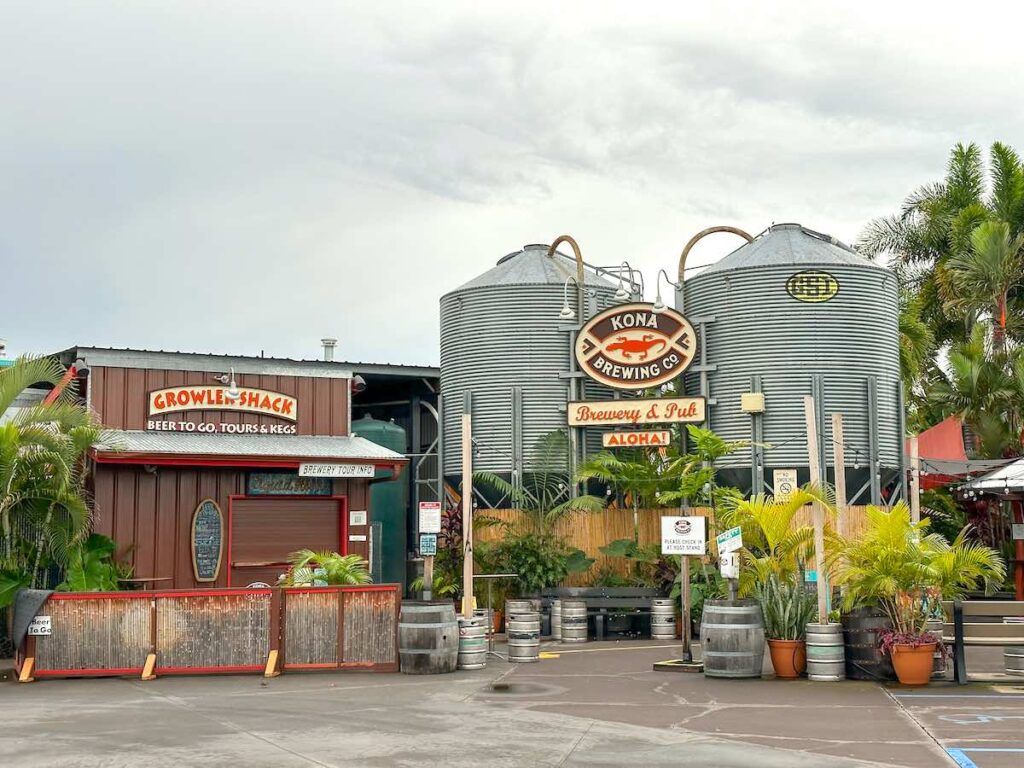
It’s casual and low-key — a good option if you want an easy afternoon activity that doesn’t require much planning. Best for beer drinkers; not a must-do if you’re not. Book ahead online or check walk-in availability.
8. First Fridays in Holualoa (Free)
On the first Friday of every month from 5:30 to 8:30 p.m., the upcountry village of Holualoa holds an open gallery night.
Studios open their doors, there’s live music and local food, and the whole thing feels nothing like a resort event. Free to wander and one of the more culturally grounded evenings you can have on the island.
9. Clear-Bottom Kayak Rental (~$23 to $30)
Renting a clear-bottom kayak on the Kona coast sounds like a tourist gimmick, but it isn’t.
Looking down through the hull at fish and coral below you while paddling is a lot more fun than it sounds, and spinner dolphins and sea turtles are real possibilities on a good day.
Rentals typically run $23 to $30 per person depending on season and outfitter. Book through Viator or check with local operators directly for current pricing.
10. Coffee and Chocolate Farm Tour in Holualoa (~$25)
Several farms above Kona offer combined coffee and cacao tours for around $25 per person.
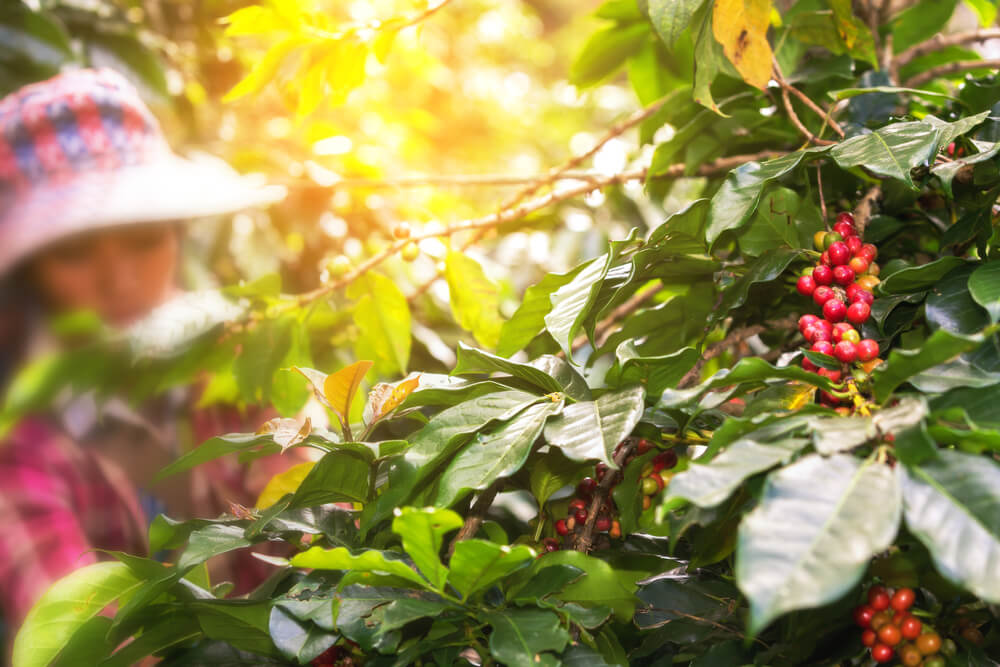
You’ll meet the farmers, see how both crops are grown and processed, taste them, and usually learn how natural soaps are made from the byproducts as well.
These run about three hours and feel more like a real farm visit than a polished tourism production — which is exactly what makes them worth it. Book ahead.
11. Shave Ice at Ululani’s, Kona (~$6 to $12)
A Big Island trip without shave ice is incomplete. Ululani’s at the King Kamehameha Hotel in Kona is one of the best.
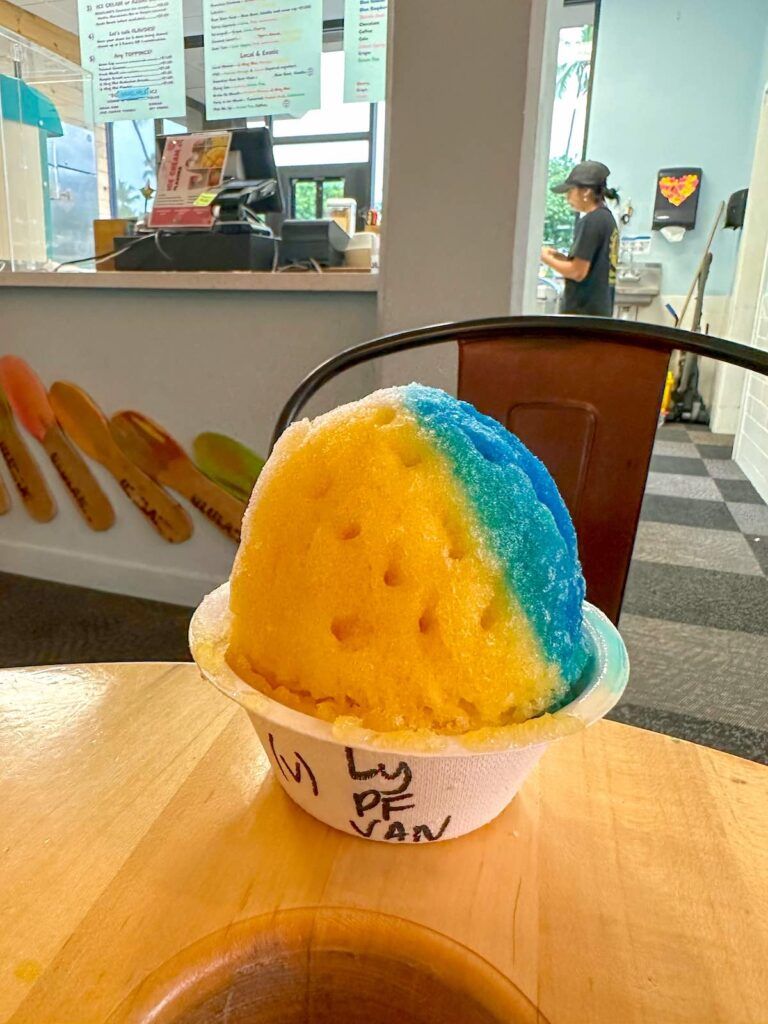
The ice is finely shaved rather than crushed, the flavors use real fruit, and the toppings — mochi, azuki beans, condensed milk — make it something different from what you’d find on the mainland.
Prices run $6 to $12 depending on size and toppings.
Big Island Budget FAQs
What’s the cheapest month to visit the Big Island?
February and September are generally the sweet spots. Both fall outside major U.S. holidays and the peak winter season, so flights and hotels tend to be more affordable. If budget matters, avoid spring break and any week that brackets a federal holiday.
Do I need a rental car?
Without question, yes. The Big Island is twice the size of all the other Hawaiian islands combined, and public transportation won’t reach most of what’s on this list. Booking early through Discount Hawaii Car Rental is one of the better ways to keep costs down — prices at the airport counter are almost always higher.
Is the Big Island really good for budget travelers?
It’s the best island for budget travel in Hawaii, and it’s not particularly close. The free experiences here — volcanic landscapes, black sand beaches, coffee farm tours, snorkeling — are among the best things you can do on any Hawaiian island at any price point.
Plan Your Big Island Trip
My Big Island travel guide is the best starting point for building a full itinerary.
If you’d rather talk through your specific plans, I offer one-on-one Hawaii travel consultations — it’s the fastest way to avoid the planning mistakes I see first-time Big Island visitors make most often.
Episode 51 of my podcast Hawaii Travel Made Easy is dedicated to planning a Big Island trip from scratch: How to Plan a Trip to the Big Island. Worth a listen before your trip.
The Big Island gets called the “less glamorous” Hawaiian island, and I’ve never understood it.
Nowhere else in Hawaii can you stand in an active volcanic landscape in the morning, snorkel with sea turtles in the afternoon, and watch the sun drop into the Pacific in the evening — all for the cost of a tank of gas. That’s a pretty good day.
 | About the author: Marcie Cheung is a Hawaii travel expert who has visited Hawaii more than 40 times. She is the founder of Hawaii Travel Spot and host of Hawaii Travel Made Easy. She plans Hawaii vacations for couples, honeymooners, families, and other travelers. |