Planning a trip to Maui? One of the top things to do in Maui is visit Haleakala Crater. Find out the best Haleakala National Park tips for your next trip.
This list of Haleakala National Park tips was written by Marcie Cheung (a Hawaii travel expert) and contains affiliate links which means if you purchase something from one of my affiliate links, I may earn a small commission that goes back into maintaining this blog.
I’ve been to Haleakalā more times than I can count, and the cold still catches me off guard every single time.
You’re on Maui, it’s 80 degrees at the beach, and then you drive up 10,000 feet and you’re standing in the dark at 4 a.m. wondering why you didn’t pack more layers.
I’ve done this enough times that I now keep a dedicated bag of summit gear in my closet just so I don’t have to think about it the morning of.
So if you’re planning your first trip to Maui and wondering whether Haleakalā is worth the early alarm and the planning hassle, it absolutely is.
But it takes more preparation than most people expect, especially if you’re going for sunrise.
This guide covers everything you need so your visit actually goes well instead of ending with a cold, hungry, exhausted drive back down the mountain.
I also covered all of this on episode 10 of my podcast, Hawaii Travel Made Easy, if you’d rather listen while you pack.
Quick Hits
- Sunrise requires a separate reservation ($1/vehicle) booked on Recreation.gov up to 60 days in advance. Tickets sell out in minutes for summer dates.
- Park entrance is $30/vehicle (card only, no cash). Your America the Beautiful pass covers this but NOT the $1 sunrise reservation.
- Temperatures at the summit regularly drop below freezing before dawn, even in summer. Pack a real beanie, hand warmers, and more layers than you think you need.
- There is no food or gas inside the park. Eat before you leave, pack snacks, and fill your tank in Kahului or Pukalani.
- Kula Lodge is a great breakfast stop on the drive back down.
- Sunset and stargazing require no reservation beyond the park entrance fee and are absolutely worth doing if you can’t get a sunrise spot.
- Book a guided sunrise tour on Viator if the self-drive reservation window is sold out.
- You’ll need a rental car. I always compare rates through Discount Hawaii Car Rental.
What Is Haleakalā National Park?
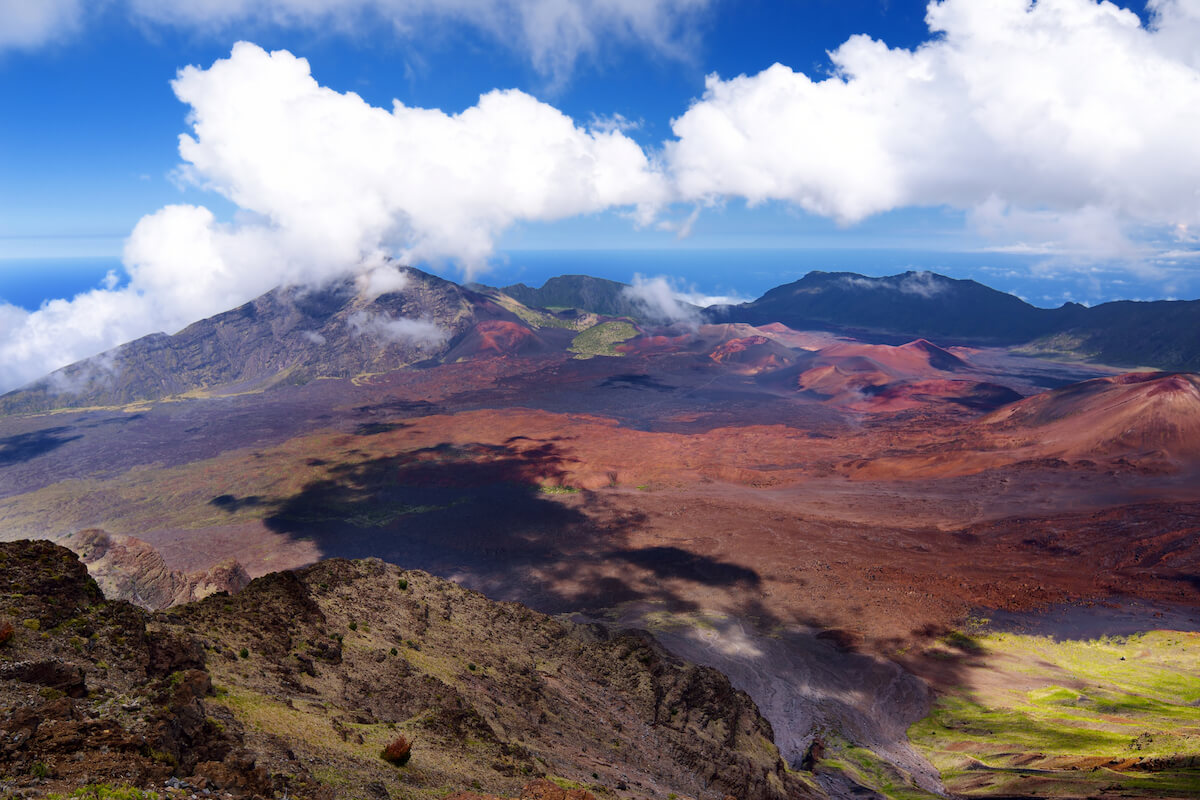
Haleakalā National Park is built around a massive dormant volcano on Maui that rises 10,023 feet above sea level, high enough that you’re often standing above the clouds.
The name means “House of the Sun” in Hawaiian, from the legend of the demigod Maui, who climbed to the summit and lassoed the sun to slow its path across the sky.
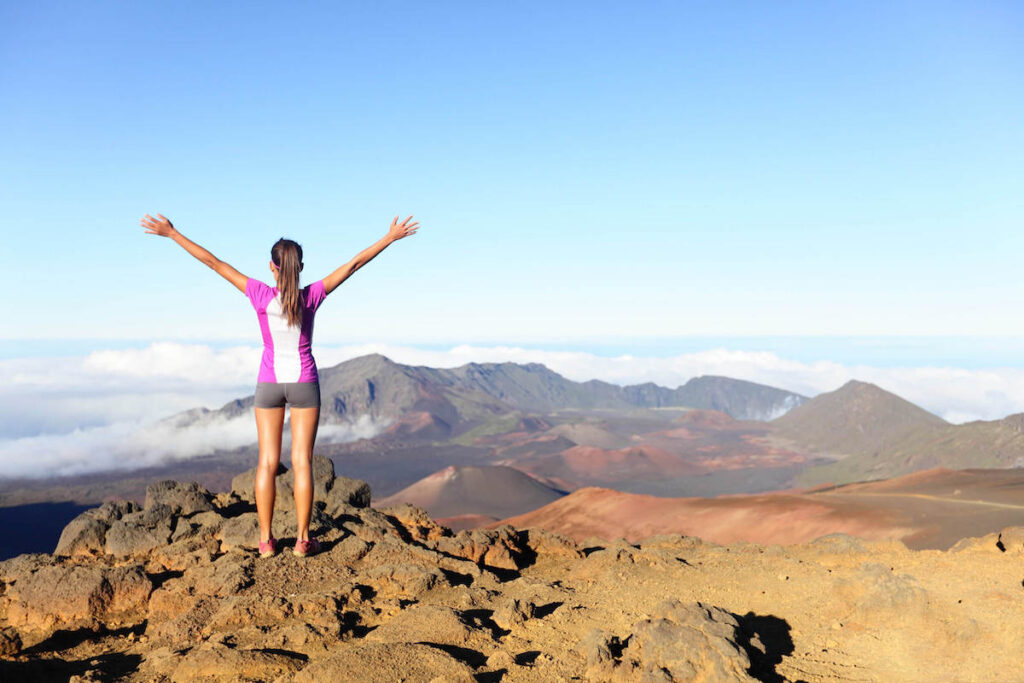
The park has two separate districts that aren’t connected by road. The Summit District is where most visitors go for sunrise, sunset, hiking, and stargazing.
The Kīpahulu District sits on the east coast near Hāna and is home to the Pipiwai Trail and the Pools of ‘Ohe’o. You can’t drive between the two in one loop, so plan your days accordingly.
Is Haleakalā Worth Visiting?
Yes, but how good your experience is depends almost entirely on how well you prepare.
For first-timers to Maui, sunrise is the bucket-list moment. Watching the sun come up from above the clouds at 10,000 feet is one of those experiences that doesn’t fully translate to photos.
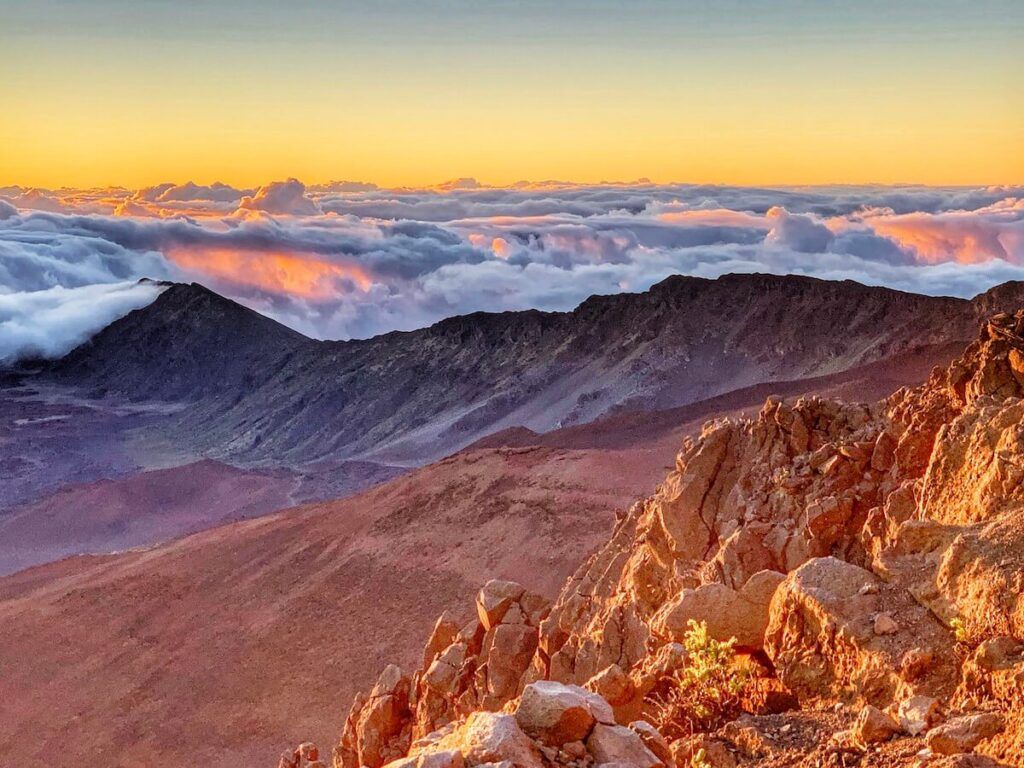
Samuel Clemens saw it in the 1860s and called it the sublimest spectacle he’d ever witnessed.
I’ve been there many times and still get that same disbelieving feeling when the light starts to change.
If you can’t get a sunrise reservation, don’t write off the whole visit.
Sunset requires no reservation, draws about a third of the sunrise crowd, and the colors above the cloud layer can be just as vivid.
A lot of repeat visitors actually prefer it.
Haleakalā Sunrise Reservations in 2026
This is where most people run into trouble. You cannot just show up before sunrise without a reservation.
Anyone arriving between 3:00 a.m. and 7:00 a.m. without one gets turned away at the gate. No exceptions, no workarounds.
How to book: Go to Recreation.gov. The booking window opens 60 days in advance at exactly 7:00 a.m. Hawaii Standard Time. A second smaller batch releases 48 hours before each date, also at 7:00 a.m. HST.
For summer dates, be on the page before 7:00 a.m. with your account already logged in. Navigating over from a search at 7:02 a.m. is too late.
What it costs: The sunrise reservation is $1 per vehicle, booked on Recreation.gov. The park entrance fee is an additional $30 per vehicle, paid separately at the gate (cards only, no cash).
Your entrance pass is valid for three consecutive days and covers both the Summit and Kīpahulu Districts.
If you have an America the Beautiful pass, it waives the $30 entrance fee but not the $1 sunrise reservation. You still need to book that separately.
One thing most people overlook: Whoever’s name is on the reservation must be at the gate with a matching photo ID.
If your travel partner books it and decides to sleep in, you’re not getting through. Figure out whose name goes on it before you open the laptop.
If the reservation window is sold out, guided tours are your best option. Tour operators hold separate NPS permits from the public pool, so Haleakalā sunrise tours on Viator often have availability even when self-drive tickets are gone.
What to Pack for the Summit
A light hoodie is not enough.
I learned this the hard way by showing up underdressed and spending an entire sunrise hunched over with my arms crossed, too cold and miserable to actually enjoy one of the most spectacular things I’d ever seen.
Now I keep a dedicated bag of summit gear specifically so I don’t repeat that mistake.
Temperatures at the summit regularly drop below freezing before dawn, even in summer. The 30 minutes right before sunrise are the coldest. Every time I go, I’m glad I have:
- A real beanie
- Hand warmers, a few pairs thrown in the bag
- Long pants
- Closed-toe shoes (the cinder ground is uneven and you’ll be walking in the dark)
- Multiple layers to peel off once the sun comes up
The people I consistently feel sorry for at the summit are the ones who drove straight from their resort in shorts and flip-flops. They’re usually not having a great time.
Pack like you’re going somewhere cold, because you are.
Most guided tour operators provide warm jackets, blankets, and sometimes hot drinks, which is honestly one of the better arguments for booking a tour even if you normally prefer to explore on your own.
Food and Gas: Sort Both Out the Night Before
There is no food inside the park. No coffee, no snack bar, no vending machines. Visitor centers may not even open until after sunrise.
I’ve driven back down that mountain absolutely starving more times than I’d like to admit, and now packing snacks in the car is non-negotiable for me.
On the way back down, Kula Lodge is my go-to breakfast stop. It sits in upcountry Maui with views down the mountain and a proper breakfast menu.
It’s right on the route back and a much better end to the morning than grabbing something in a rush. They had a fire last year, so the restaurant is currently a food truck but they should be re-opening their restaurant soon.
Gas up the night before in Kahului or Pukalani. The last gas station is Pukalani. After that, there’s nothing on the road up and nothing inside the park.
What to Do at Haleakalā
Sunrise
Arrive at least 30 minutes before sunrise to get a parking spot and find your viewing position.
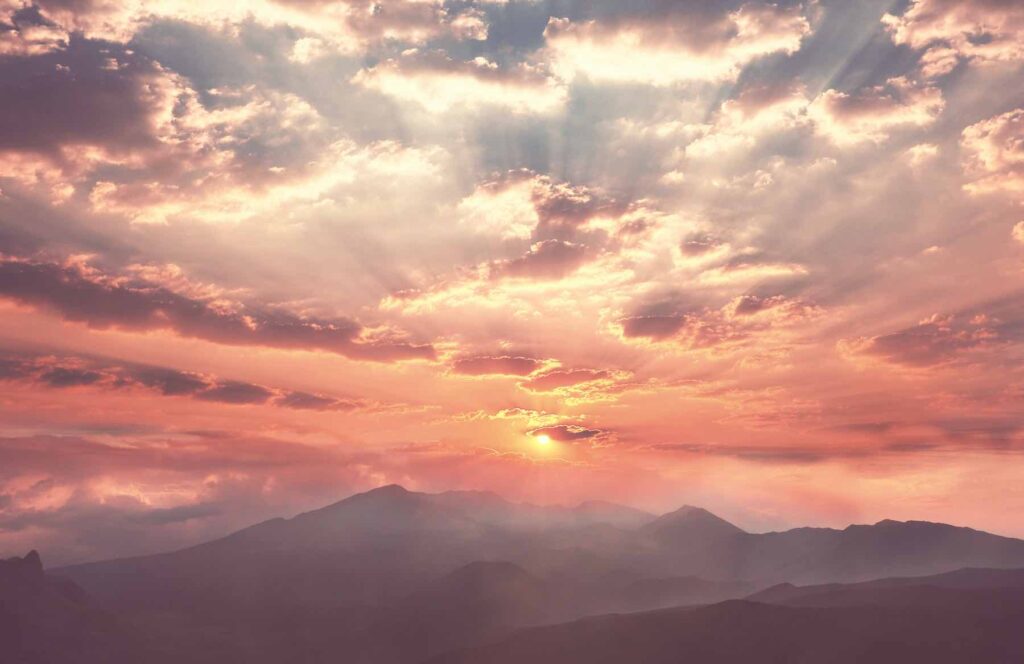
The Pu’u ‘Ula’ula overlook at the top is the highest point and the most popular. The Pa Ka’oao area nearby, sometimes called White Hill, is slightly less crowded and gives you a 270-degree view into the crater.
After the sun comes up, stay longer than you think you need to. The early light moving across the cinder cones while the clouds shift below you is worth the extra time before the drive down.
Sunset
No reservation, no 3 a.m. alarm, a fraction of the sunrise crowd. The colors at sunset can be just as dramatic as sunrise, and staying for stargazing afterward makes it an easy two-for-one evening.
The main downside is driving back down the mountain in the dark, but the road is manageable if you go slowly.
Stargazing
The summit sits above most of the island’s light pollution. On a clear night, the Milky Way is visible with the naked eye, which is something you don’t forget.
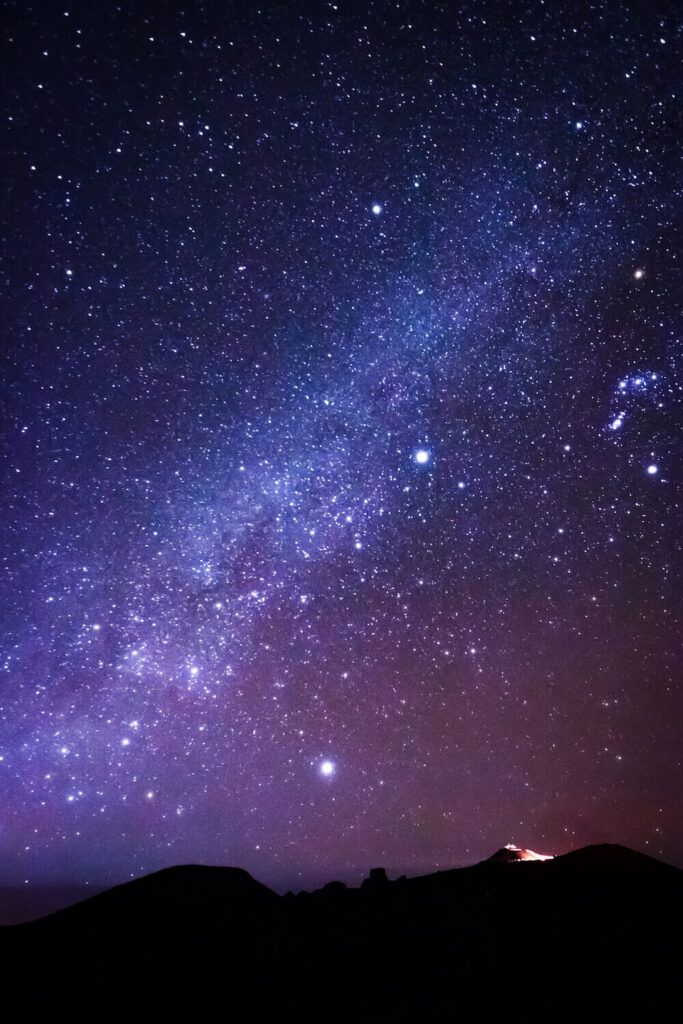
If you want a guided experience, the Haleakalā Sunset and Astronomy Tour on Viator gets consistently strong reviews.
Small groups of seven or fewer, a proper telescope, warm outerwear and hot drinks provided, and a guide who actually knows the sky. It covers both sunset and stargazing in one evening, which is a smart use of time.
Hiking
The Keoneheʻeheʻe Trail, better known as Sliding Sands, drops 2,800 feet from the summit into the crater floor past multi-colored cinder cones.
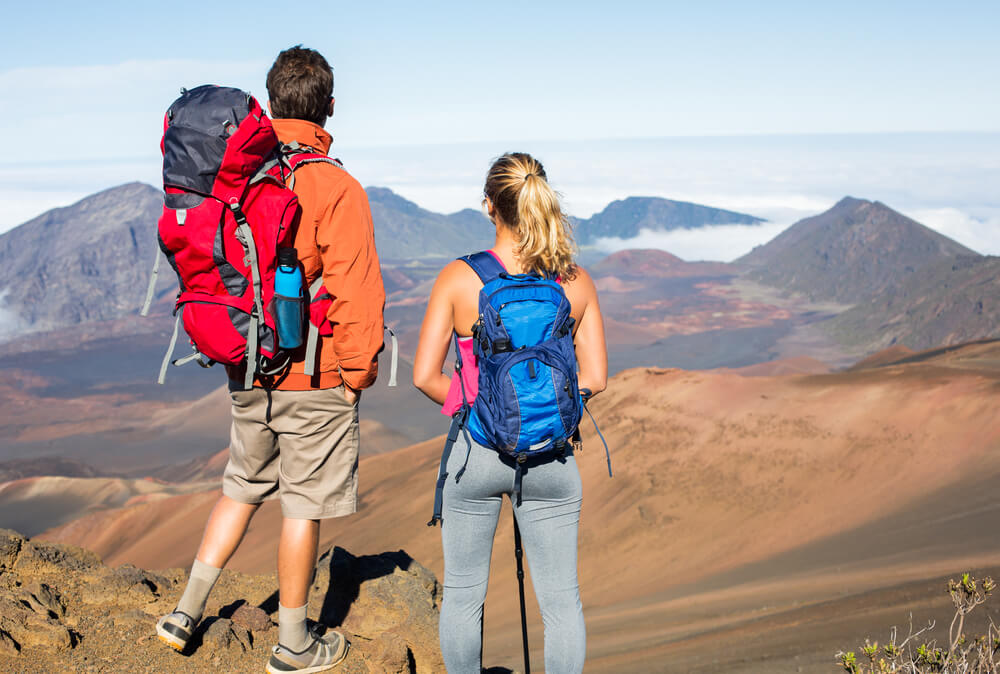
The views are extraordinary. The catch is that the return is entirely uphill at 10,000 feet, so think carefully about how far in you go.
The Halemau’u Trail connects to the crater from a lower trailhead and is a bit more forgiving.
Check current conditions on the NPS website before you head out. Weather at the summit can change fast regardless of what it looks like at sea level, and the park has experienced weather-related closures.
Wildlife Worth Looking For
Two things you can only see here. The Nēnē, Hawaii’s state bird, is one of the rarest geese in the world.
The population dropped to around 30 birds in the 1960s before conservation efforts brought it back to over 3,000 statewide, with Haleakalā being one of their main habitats.

There’s a real chance of spotting one along the road or near the parking areas.
The silversword plant, called ‘ahinahina in Hawaiian, is the other one. It grows only in the volcanic cinder at high elevation on Maui and nowhere else on Earth.
The long, silver-tipped leaves radiate outward from a central base and catch the light in a way that looks almost metallic. It takes years to mature, blooms once in its lifetime, and is extremely fragile.
Stay on the path and admire it without touching it.
Practical Things to Know
Getting there: About 1.5 hours from Kahului to the summit. From Wailea or Ka’anapali, add 30 to 45 minutes. For sunrise, plan to leave by 2:00 to 2:30 a.m.
The park is cashless. Credit or debit only at the entrance kiosk. No cash.
Check conditions before you leave. Summit weather doesn’t track with beach weather. Fog, wind, and rain are all possible even when conditions look perfect from your hotel. Current conditions and alerts are at nps.gov/hale.
Take the altitude seriously. At 10,023 feet the air is noticeably thin. Go slow, drink water, and pay attention to how you feel. A headache or light-headedness is your cue to rest before doing anything else.
Treat it with respect. Haleakalā is a sacred place for Native Hawaiians and a protected ecosystem. Stay on marked trails, don’t move rocks or pick plants, keep your voice down near other visitors, and carry out everything you bring in.
Frequently Asked Questions
Do I need a reservation to visit Haleakalā?
Only if you’re arriving between 3:00 a.m. and 7:00 a.m. for sunrise. Daytime visits, sunset, and hiking only require the park entrance fee.
How much does Haleakalā cost in 2026?
$30 per vehicle for park entry, valid three consecutive days. Sunrise adds a $1 reservation fee per vehicle booked separately on Recreation.gov. America the Beautiful passes cover the $30 entrance but not the $1 sunrise booking.
How far in advance should I book sunrise?
Book the moment the 60-day window opens. Set an alarm for 6:58 a.m. HST and be logged in before 7:00 a.m. Summer dates are gone in minutes. The 48-hour backup release is worth knowing about but the inventory is small.
What if I can’t get a sunrise reservation?
Book a guided tour on Viator or Get Your Guide since operators have their own NPS permit allocations. Or do sunset instead, which is free with park entry and has no reservation requirement.
Is Haleakalā good to visit with kids?
Yes, though plan for the cold and altitude. The views are extraordinary at any age. Bring real warm layers for children, pack food, and keep hikes short rather than ambitious.

Keep Planning Your Maui Trip
Haleakalā is the kind of experience that makes Maui feel different from anywhere else. But it rewards people who plan ahead, and it’s easy to have a rough morning if you show up underprepared.
For the rest of your Maui trip, my full Maui travel guide covers where to stay, what to do, and how to structure your days on the island.
If the Kīpahulu District and the Pipiwai Trail are on your list, my Road to Hana guide covers the full drive in detail.
For getting around, I always compare rental car rates through Discount Hawaii Car Rental before booking anywhere else.
And if you want help putting together the whole trip, I do one-on-one Hawaii travel consultations.
With 40+ visits to Hawaii and on-the-ground experience across all the major islands, I can help you figure out what’s worth your time, what to skip, and how to build an itinerary that actually fits the way you travel.
Book that sunrise reservation the day the 60-day window opens, pack warmer than feels necessary, eat breakfast at Kula Lodge on the way back down, and you’re going to have one of the best mornings of your life.
 | About the author: Marcie Cheung is a Hawaii travel expert who has visited Hawaii more than 40 times. She is the founder of Hawaii Travel Spot and host of Hawaii Travel Made Easy. She plans Hawaii vacations for couples, honeymooners, families, and other travelers. |