
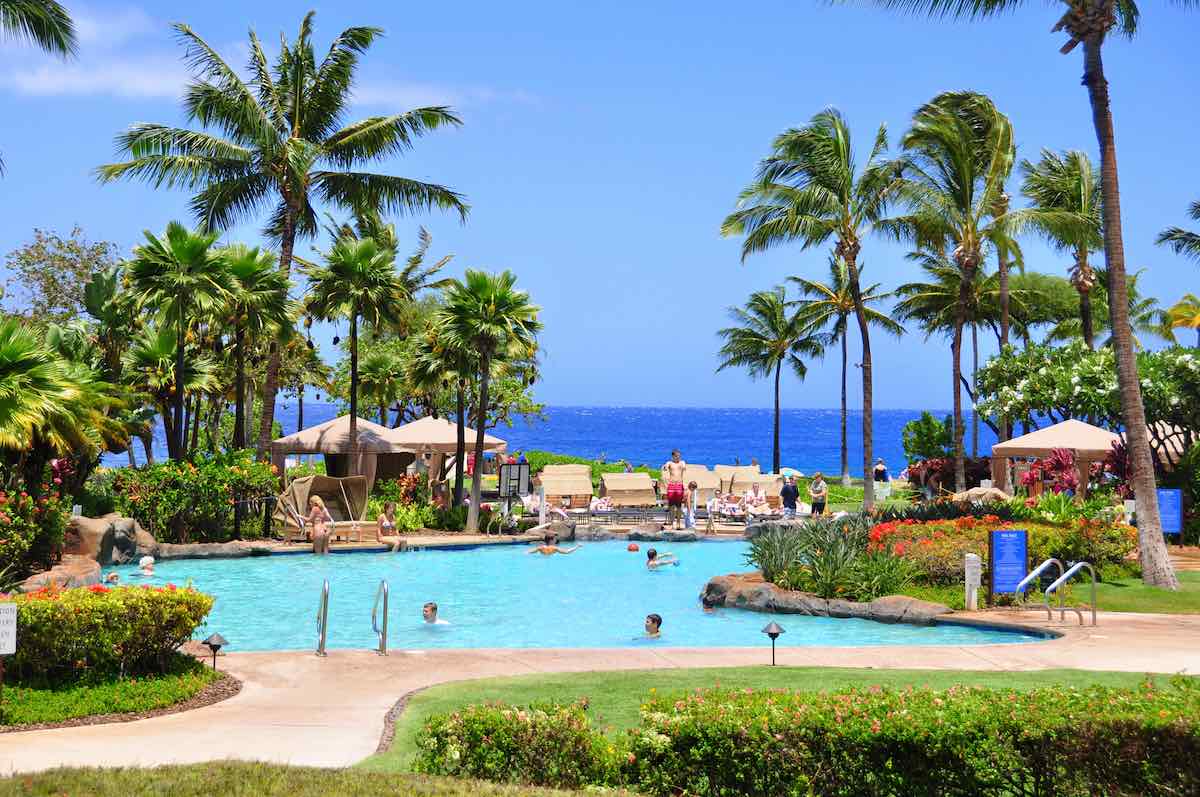
Are you considering taking a vacation in Maui? Continue scrolling to learn about the best areas to stay on Maui, as well as our top selections for hotels and resorts.
This list of the best areas to stay on Maui Hawaii was written by Marcie Cheung (a Hawaii travel expert) and contains affiliate links which means if you purchase something from one of my affiliate links, I may earn a small commission that goes back into maintaining this blog.
Picking where to stay on Maui is the single decision that makes or breaks your trip.
Book the wrong area and you’ll spend half your vacation in the car. Book the right one and everything just flows.
I’ve been to Hawaii more than 40 times at this point, and Maui specifically has pulled me back again and again over the years.
I’ve stayed in Kihei on a budget, split time between Ka’anapali and Wailea, and spent plenty of afternoons driving between areas just to figure out which ones still deserve the hype.
This is a Hawaii trip planning guide built on that experience, updated for what Maui looks like right now, not what it looked like five years ago.
Quick heads up before we get into it: if you remember Maui from before 2023, some things have changed, especially around Lahaina. I’ll walk you through exactly what’s open, what isn’t, and where I’d put you up.
Quick Verdict
If you’re short on time, here’s the whole guide in five lines:
- Families and first-timers: Ka’anapali. Beach access, walkability, and the best mix of family-friendly resorts on the island.
- Quiet luxury: Kapalua, especially The Ritz-Carlton Maui, Kapalua, but only if you don’t mind the drive.
- Tight budget: Kihei has the highest concentration of condos and still puts you close to good beaches.
- Special occasion, money’s no object: Wailea. Calmer water, more sun, and the highest price tags on Maui.
- Thinking about staying in Lahaina town itself? Don’t, not yet. More on why below.
How I’m Grouping Maui’s Areas
Maui splits into a handful of regions, but only two of them have enough hotels and condos to build a full trip around: West Maui and South Maui. That’s where I’m spending most of this guide.
Central Maui is home to the airport and Kahului, more of a business district than a vacation base, though Iao Valley State Park is worth a stop.
Upcountry has zero hotels but makes a great day trip if you want to see the “other” Maui, with farms, ranches, and cooler mountain air.
The north and east coasts (think the Road to Hana) are rural and sparsely developed, which is part of the charm, but not somewhere you’d want to base yourself for a week.
So: West or South. Here’s how they stack up.
West Maui: Kapalua, Napili, Ka’anapali, and Lahaina
West Maui runs along the island’s northwest coast and includes some of the most photographed resorts in Hawaii.
It’s also home to whale watching season, since humpbacks gather in the channel between Maui, Lanai, and Molokai from roughly December through April.
Weather-wise, West Maui runs a little cooler and cloudier than the South Shore, especially in winter.
Temperatures typically sit between 75 and 85 degrees, and you’ll see more overcast mornings here than in Wailea or Kihei.
If you’re mostly planning to enjoy resort pools and beaches, you likely won’t even notice the difference.
Kapalua: quiet luxury, if you don’t mind the drive
Kapalua sits at the far north end of West Maui, tucked away enough that it’s the farthest resort area from Kahului Airport.
Budget closer to an hour of driving to get here. What you get in exchange is fewer crowds and coastline that feels almost private compared to the rest of the island.
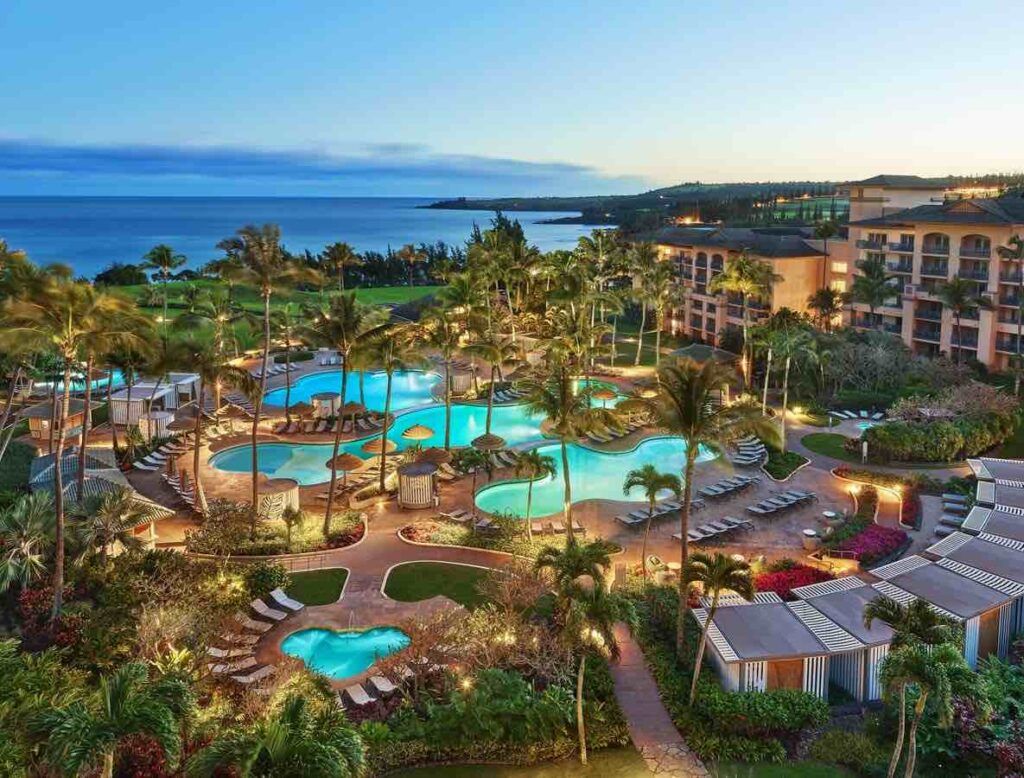
The Ritz-Carlton Maui, Kapalua is the name most people know, and it earns the reputation with an 18-hole golf course, an oceanfront spa, and hiking trails that start right off the property.
This one’s a splurge. Rates run several hundred dollars a night and climb from there depending on season, so check current rates on Expedia before you commit to dates.
The Resort at Kapalua Bay leans harder into villa living than a typical hotel. The residences come with full kitchens and private lanais, so if you’re traveling with extended family and don’t want to split everyone across separate rooms, this is the one I’d point you toward.
I wouldn’t send a first-time visitor here. You’re paying a premium to be far from everything, and if this is your only Maui trip, you’ll spend more time driving than you’d like.
It’s better suited to a repeat visitor who already knows they want quiet over convenience.
If you do stay up this way, make the short drive north to Nakalele Point to watch the blowhole do its thing.
Ka’anapali: the most family-friendly stretch on Maui
This is my pick for families, hands down. Ka’anapali is where most of West Maui’s kid-friendly resorts cluster, and Black Rock, at the north end of the beach, is one of the better spots on Maui for snorkeling right off the sand.
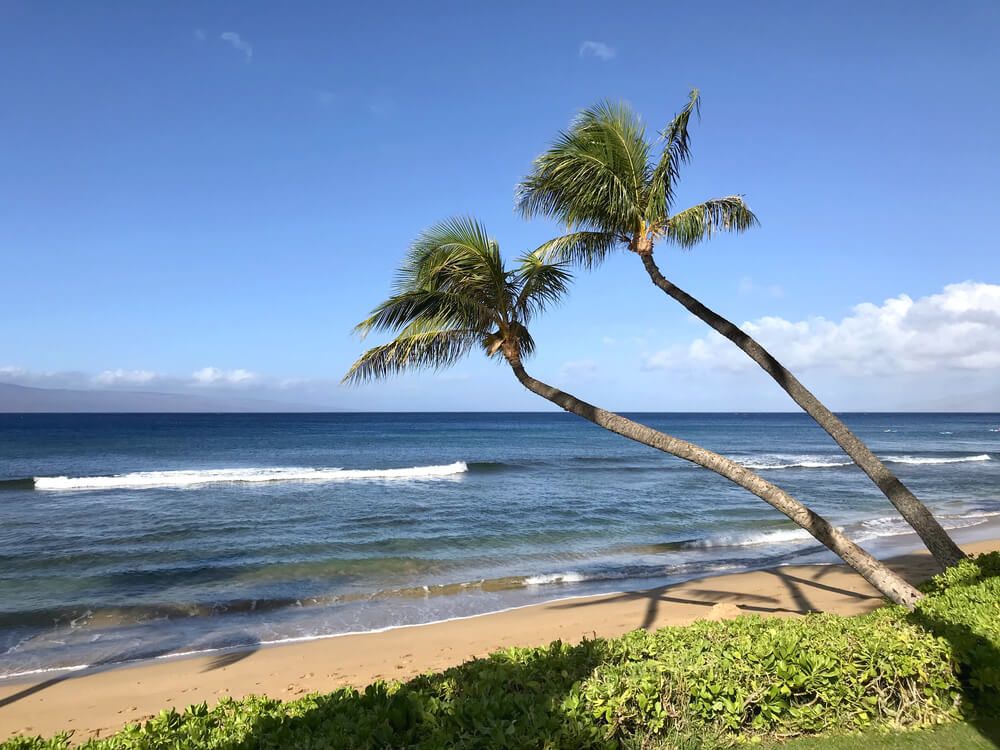
I’ve stayed at Outrigger Honua Kai Resort & Spa twice, and both times the location sold me more than anything else.
It mixes hotel rooms with full condos, including two- and three-bedroom units that work well if you’ve got a bigger group or extended family along.
Duke’s Maui is right on site and has become one of my go-to dinner spots on this side of the island. Everything, beach, shops, restaurants, is walkable.
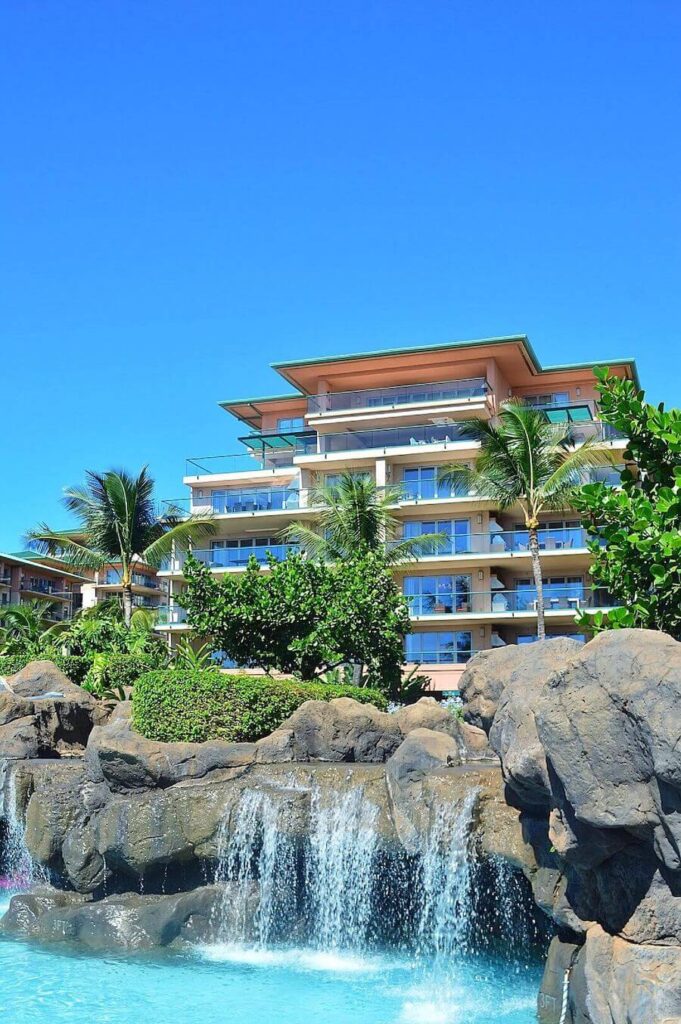
Marriott’s Maui Ocean Club sits directly on Ka’anapali Beach too, with a full kitchen in every suite and Whalers Village close enough to wander over to for shopping or dinner.
Hyatt Regency Maui rounds out the list, and it’s a full-service option with an airport shuttle, an on-site luau, and a swim-up bar. It works for couples and families about equally well.
The tradeoff with all of Ka’anapali: this stretch gets crowded in peak season, and you’ll feel it most at the beach access points and the pools.
If you want total quiet, this isn’t your area. If you want to walk everywhere and never rent a beach umbrella, it’s hard to beat.
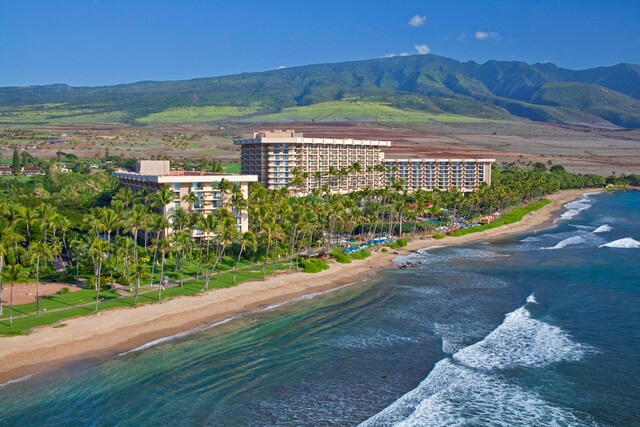
Lahaina: what’s open in 2026 (an important update)
If you’ve stayed in Lahaina before, or read older Maui blog posts (including earlier versions of this one), you need updated information.
In August 2023, a wildfire devastated the historic town of Lahaina, and recovery is still ongoing more than two years later.
Here’s where things stand as of 2026:
The historic Front Street commercial core, the stretch most people picture when they think of Lahaina shopping and galleries, is still largely closed and under construction.
The Outlets of Maui, which I used to send readers to for shopping, burned down. A small interim marketplace called ʻUlu o Lele is set to open on that same site in September 2026 with local vendors and food trucks, but it’s not the outlet mall it used to be.
Aina Nalu Lahaina by Outrigger, a condo property I previously recommended for its walkable location, is still listed as temporarily closed. I’d hold off on booking it until you can confirm directly with Outrigger that it’s back open.
The good news: Lahaina Harbor has reopened, several restaurants on the north end are serving dinner with ocean views, and the Lahaina Cannery Mall, anchored by Safeway and Longs Drugs, never closed and is fully open.
The Old Lahaina Luau, which survived the fire, is running nightly and remains one of the most authentic cultural experiences in Hawaii. Book it early since it sells out weeks in advance.
My honest take: I wouldn’t base your whole stay in Lahaina town right now. Stay in Ka’anapali or Kapalua instead, both a short drive away and unaffected by the fire, and treat Lahaina as a place to visit for dinner, the harbor, and the luau.
Spending money at the businesses that survived (or that are rebuilding) is one of the more meaningful ways to support the community while you’re there.
South Maui: Kihei and Wailea
If sunshine and calm water are what you’re after, South Maui is where you want to be. This side of the island gets far less rain than West Maui, and the beaches here tend to be wider and sandier.
Kihei: the budget-friendly base
Kihei has more condos per square mile than anywhere else on Maui, and that’s what makes it the easiest place to find a reasonably priced stay.
You’re not paying for a resort brand here. You’re paying for a place to sleep between beach days, and for most trips, that’s all you need.
I’ve stayed at Aston at the Maui Banyan and would book it again without hesitation. It doesn’t have much beyond two pool areas as far as amenities go, but the location makes up for it.
You’re directly across from the Kamaole Beaches, close enough to catch sunsets that stop you mid-conversation, and everything from restaurants to shops is within walking distance.
If you want more kitchen space and a laundry unit, look at Kihei Kai Nani instead. It sits close to grocery stores and a deli, which matters more than you’d think once you’re a few days into a trip and tired of eating out every meal.
Kihei isn’t the area to pick if you want a spa day or a resort pool with a swim-up bar. It’s the area to pick if you’d rather put that money toward a rental car, more activities, or just a longer trip.
For low-key beach days, Kalama Park has ball fields and grills, and the three Kamaole Beach Parks are reliably good for families with shaded picnic spots.
Wailea: Maui’s most polished neighborhood
Wailea is the luxury end of South Maui, and it’s under an hour from the airport, which is a real advantage over Kapalua.
Four Seasons Resort Maui at Wailea consistently ranks among the top resorts in the state, with an oceanfront golf course, a swim-up bar, and a concierge team that will build out your whole itinerary if you let them.

Andaz Maui at Wailea is the other name worth knowing here, home to the Feast at Mokapu, still my favorite luau on the island.
Between the multiple pools, the spa, and four on-site restaurants, guests rarely need to leave the property at all.
Both are the kind of resorts you book for a honeymoon or an anniversary, not a budget trip.
Wailea consistently runs the highest rates on Maui, and you’re paying for polish: manicured grounds, quiet, and a beach that stays calmer than most because it sits inside a protected cove.
That calm cove and the paved coastal path make Wailea Beach a lovely early morning walk (just know there aren’t many benches if you need to rest along the way).
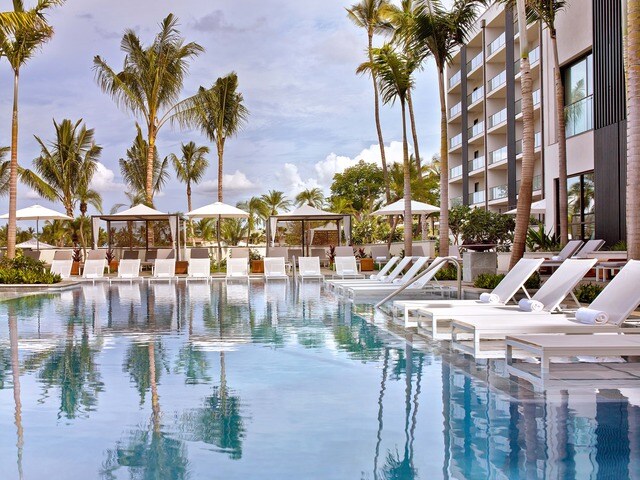
It’s also a gorgeous backdrop if you’re after vacation photos. My readers save $20 on their first Flytographer session, and this stretch of coastline is one of the better spots on Maui to book one.
Whichever beach you end up on, pack a reef-safe sunscreen before you leave home.
Hawaii’s reef protection law bans the sale of sunscreens containing oxybenzone and octinoxate, so it’s easier to grab the right one before you fly than to hunt one down once you land.
Tips for Choosing Where to Stay on Maui
A few things I’d think through before you book:
Do you want a hotel or a condo?
Hotels give you daily housekeeping and on-site dining. Condos give you a kitchen and more space, which adds up fast if you’re traveling with a family or staying more than a few days.
Are you renting a car?
If not, stick to walkable areas like Kihei or the Ka’anapali/Lahaina corridor, since shuttles are easier to find and cheaper than relying on taxis. If you are renting, book early. I always compare rates through Discount Hawaii Car Rental before locking anything in, since prices climb fast the closer you get to summer.
How long are you staying?
For a first Maui trip, I’d aim for 5 to 7 days. Three days is doable, but you’ll spend a big chunk of it just settling in and won’t get to see much beyond your resort.
Traveling with kids?
Give yourself a full day to decompress after you land before jumping into excursions. I’ve got more family-specific Maui planning over on Hawaii Travel with Kids if that’s useful.
Still working out how to choose a Hawaii island in the first place? If Maui isn’t a lock yet, my Maui travel guide covers the whole island in more depth, and my island-hopping guide breaks down Maui vs Oahu vs Kauai vs Big Island if you’re still weighing your options.
It’s some of my most useful first-time Hawaii visitor advice, and it applies just as much to repeat travelers switching things up.
As a Certified Hawaii Destination Expert who’s made this same “where do I stay” decision more times than I can count, I’ll say this: the area matters more than the specific hotel.
Get the area right and almost any decent property in it will treat you well.
If you’d rather not build this whole itinerary yourself, that’s exactly the kind of thing I help with in my one-on-one Hawaii travel consultations, matching your travel style and budget to the right area instead of guessing.
FAQ: Where to Stay on Maui
What’s the best area to stay on Maui?
There’s no single “best” area, it depends on your priorities. Ka’anapali is the strongest all-around pick for families who want beach access without a car. Wailea wins for luxury and sunshine. Kihei wins for budget. Kapalua wins for quiet and golf.
Is it safe to visit Lahaina in 2026?
Yes, Lahaina is open to visitors, and tourism dollars are a real part of the recovery. The historic Front Street core is still closed for rebuilding, so treat it as an evolving destination rather than the shopping and gallery district it used to be. The Old Lahaina Luau, Lahaina Harbor, and the Cannery Mall are all open.
Is it better to stay in Lahaina or Wailea?
As of 2026, I’d steer you toward Ka’anapali over Lahaina town itself, since lodging directly in Lahaina is limited while rebuilding continues. Wailea is the polished, expensive option; Ka’anapali or Kihei give you more value depending on your budget.
Do you need a car on Maui?
You can get around without one using shuttles, tour buses, and taxis, but I wouldn’t recommend it. Renting a car opens up the Road to Hana, Haleakala sunrise, and day trips to Upcountry that are hard to pull off otherwise.
How many days do you need on Maui?
Five to seven days lets you cover a home base area plus day trips without feeling rushed. Anything shorter and you’ll likely stick close to your resort the whole time.
The Bottom Line
Maui rewards you no matter which coast you land on, but the right area really does depend on what kind of trip you’re planning.
West Maui gives you resort polish and whale season views. South Maui gives you sunshine and calmer water. And Lahaina, while it’s not what it used to be, is still worth a visit, just not as your home base right now.
If you want help turning this into an actual itinerary, from flights to rental cars to which luau is worth the splurge, that’s what my Hawaii travel consultations are for.
And if you like getting this kind of planning talk in your ears instead of on a screen, I cover a lot of this same ground on my podcast, Hawaii Travel Made Easy.
Aloha, and I hope Maui treats you as well as it’s always treated me.
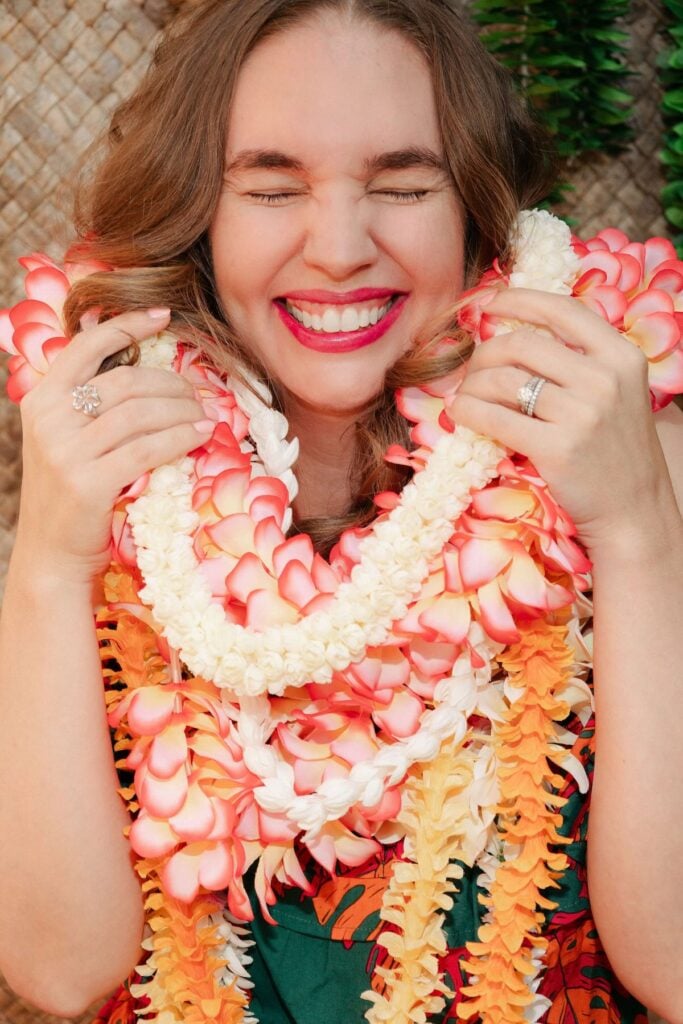 | About the author: Marcie Cheung is a Hawaii travel expert who has visited Hawaii more than 40 times. She is the founder of Hawaii Travel Spot and host of Hawaii Travel Made Easy. She plans Hawaii vacations for couples, honeymooners, families, and other travelers. |